News Centre
News Centre
ILEA successfully concluded the Art of Eastern Living Experience in Singapore
Where Eastern wisdom meets modern living, illuminating the human values within a technological age.


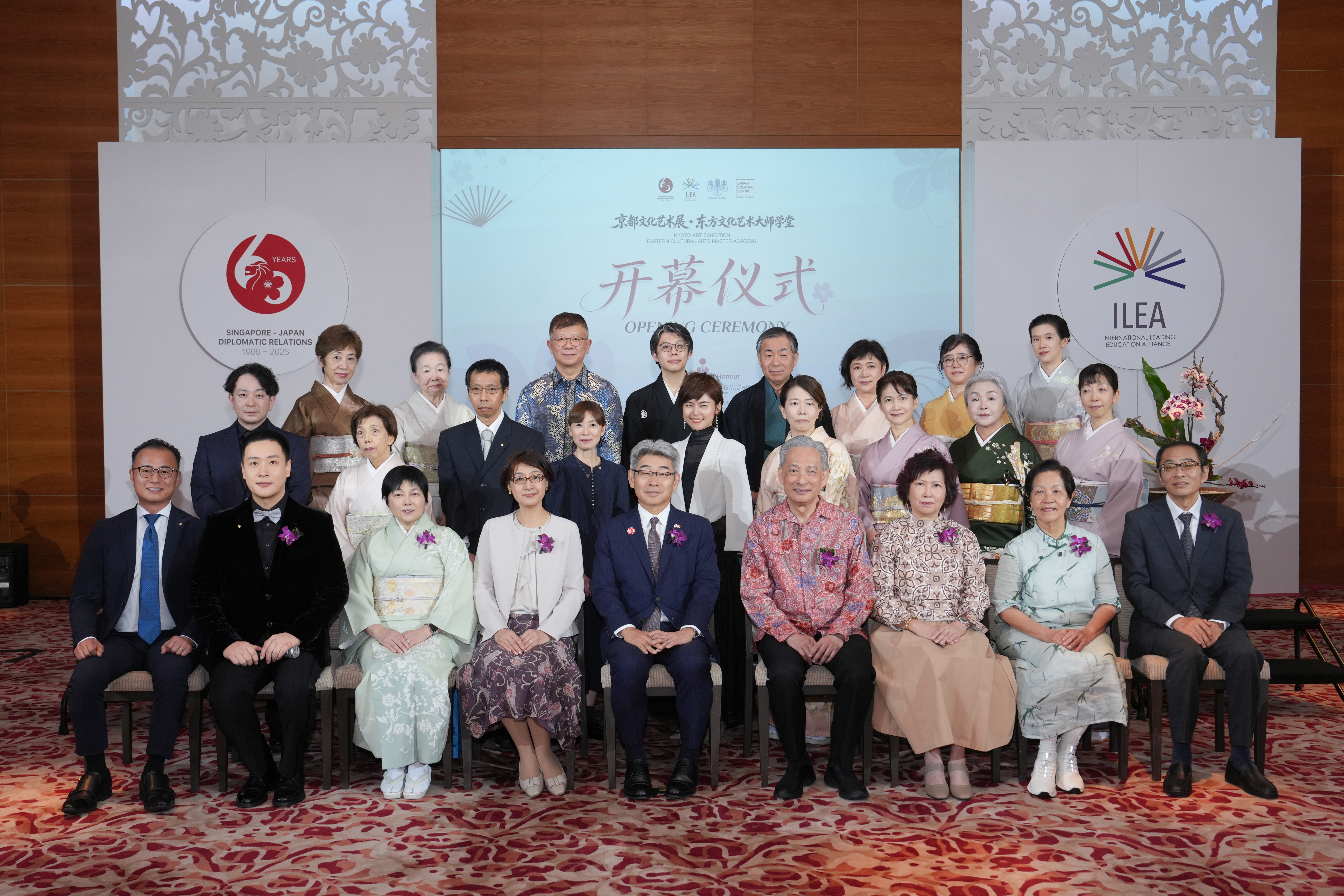
To commemorate the 60th anniversary of diplomatic relations between Singapore and Japan, the Art of Eastern Living Experience, together with the Kyoto Cultural Arts Exhibition and the Eastern Cultural Arts Master Academy, was successfully held at the Grand Hyatt Singapore from 27 February to 1 March 2026. Through cultural exhibitions, artistic masterclasses and international exchange, the programme showcased the unique value of Eastern living arts in contemporary society.
This event was co-organised by the International Leading Education Alliance (ILEA) and Kampung Senang Charity and Education Foundation Singapore. Distinguished representatives from the political, business, cultural and education sectors across Eastern countries and regions came together for the occasion to explore the relevance of Eastern culture in the contemporary era of rapid technological advancement.
Opening Ceremony of the Art of Eastern Living Experience
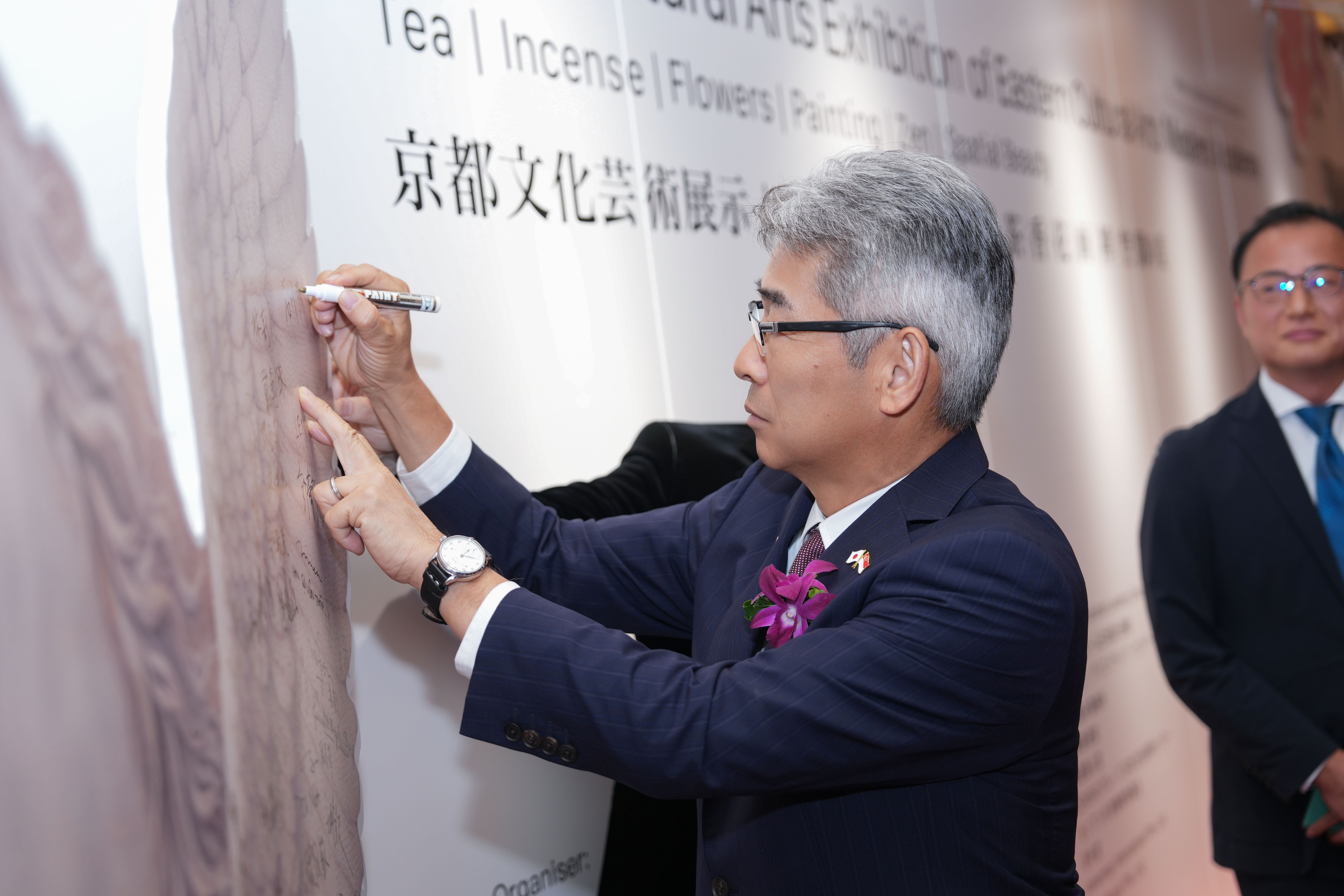
The official opening of the Art of Eastern Living Experience began on the afternoon of 27 February at the Grand Hyatt Singapore. Before the opening ceremony, guests left their autographs on the Cloud-Riding Horse themed welcome wall before their walkthrough of the exhibits of Eastern culture and artistic performances.
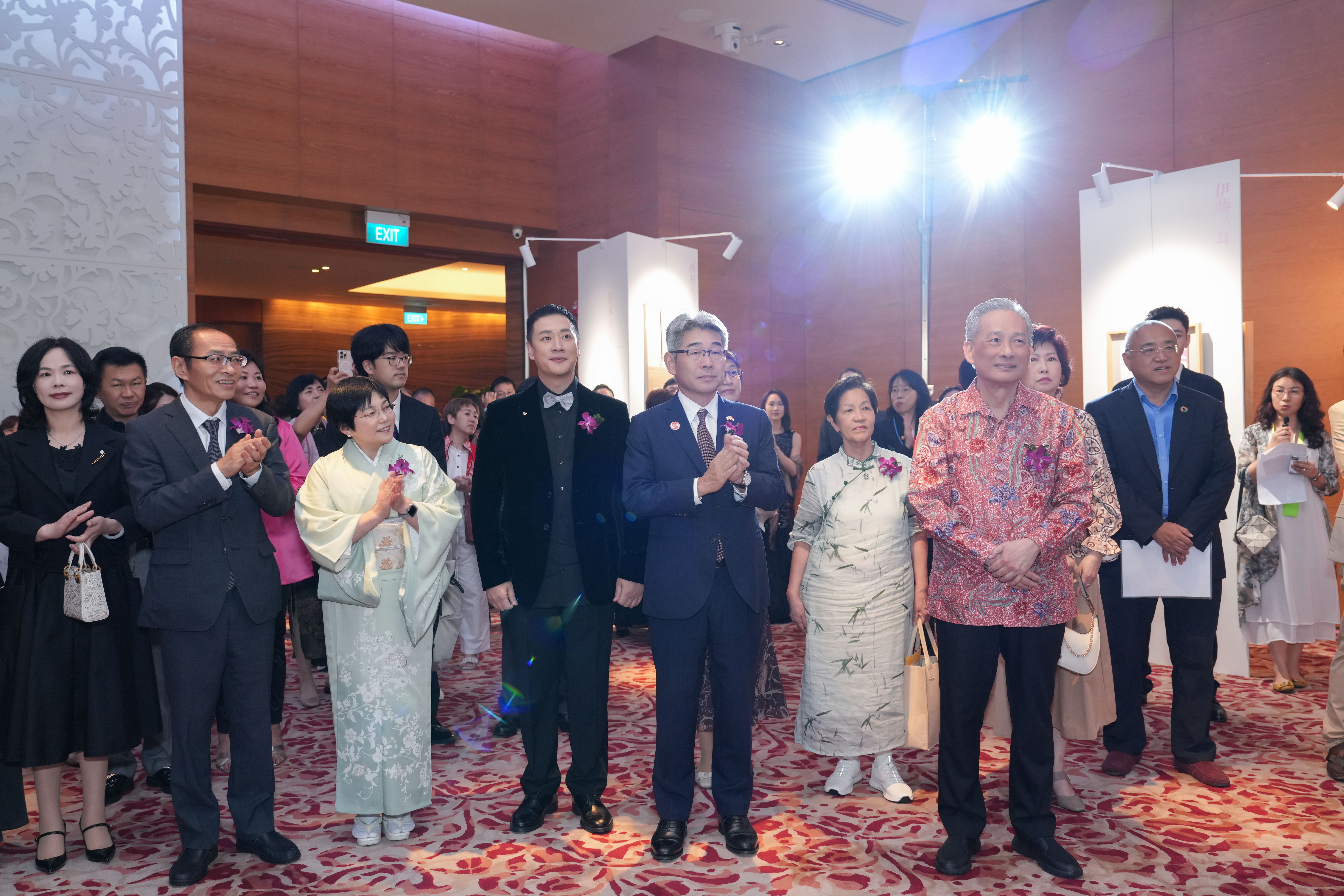
Guests attending the opening ceremony and welcome gala dinner include:
- Ambassador of Japan to Singapore, His Excellency Mr Hiroshi Ishikawa and his wife Madam Yuko Ishikawa
- Chairman of SMRT Corporation Ltd and Honorary Consultant of ILEA, Mr Seah Moon Ming and his wife
- Director of Japan Culture Centre, Ms Akiko Kawabe
- Japan Asia Community Cultural Cooperation Organization(JACCCO)and Former Project Professor at the University of Tokyo, Professor Jin Fei
- President of ILEA and Founder of Kampung Senang, Madam Joyce Lye Geok Choo
- Chief Executive Director of ILEA, Dr Eric Wu
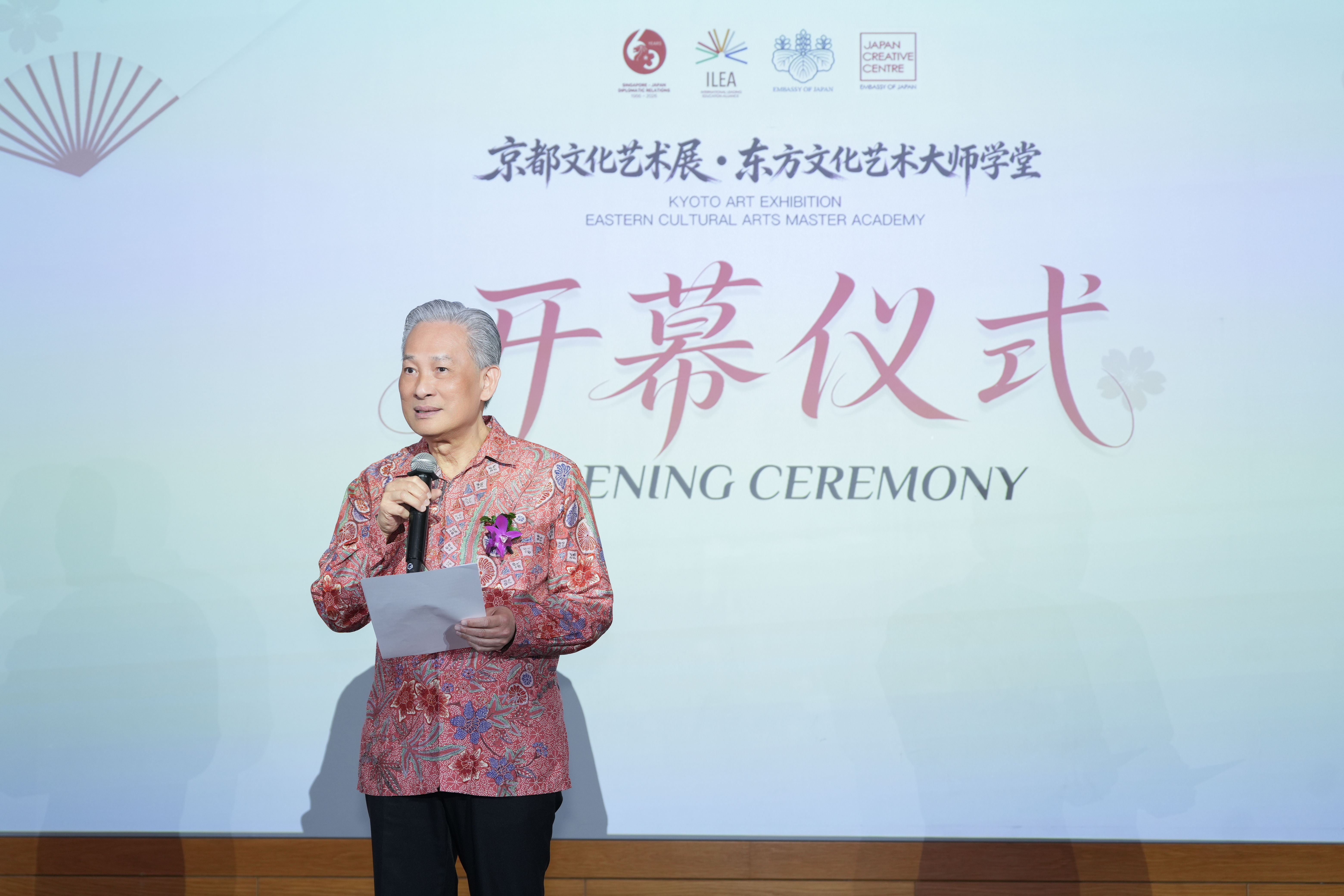
At the opening ceremony, Guest of Honour Mr Seah Moon Ming noted in his address that the wisdom and humanistic spirit embodied in Eastern culture remain profoundly relevant in today’s rapidly changing world. Through cultural and artistic exchange, more people can come to appreciate the balance, focus, and harmony reflected in the Eastern way of life.
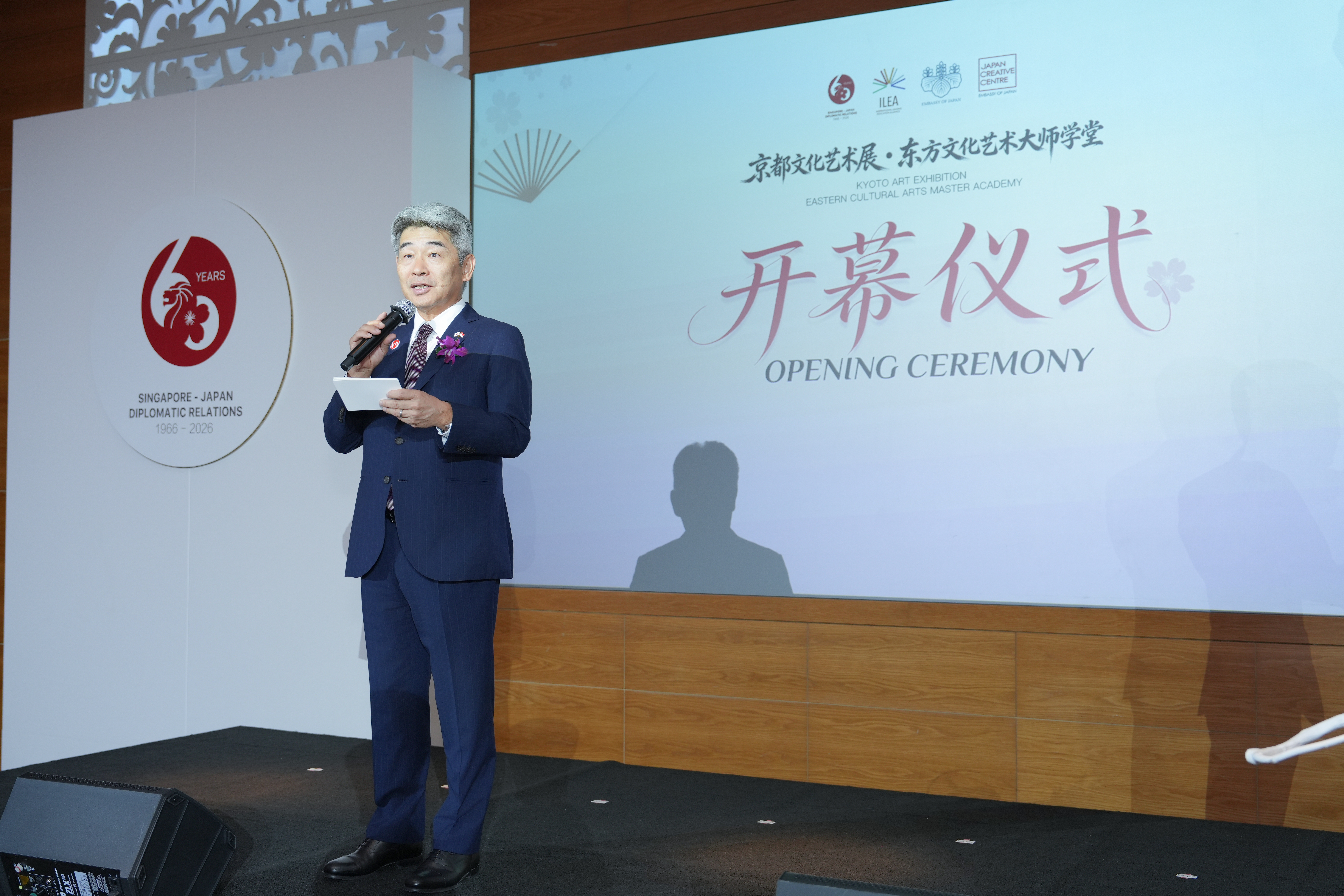
His Excellency Hiroshi Ishikawa, Ambassador of Japan to Singapore, also delivered remarks highlighting the longstanding close cultural exchanges and cooperation between Singapore and Japan. He expressed his hope that the friendship between the two nations would be further strengthened through arts and cultural initiatives, fostering deeper mutual understanding and appreciation.
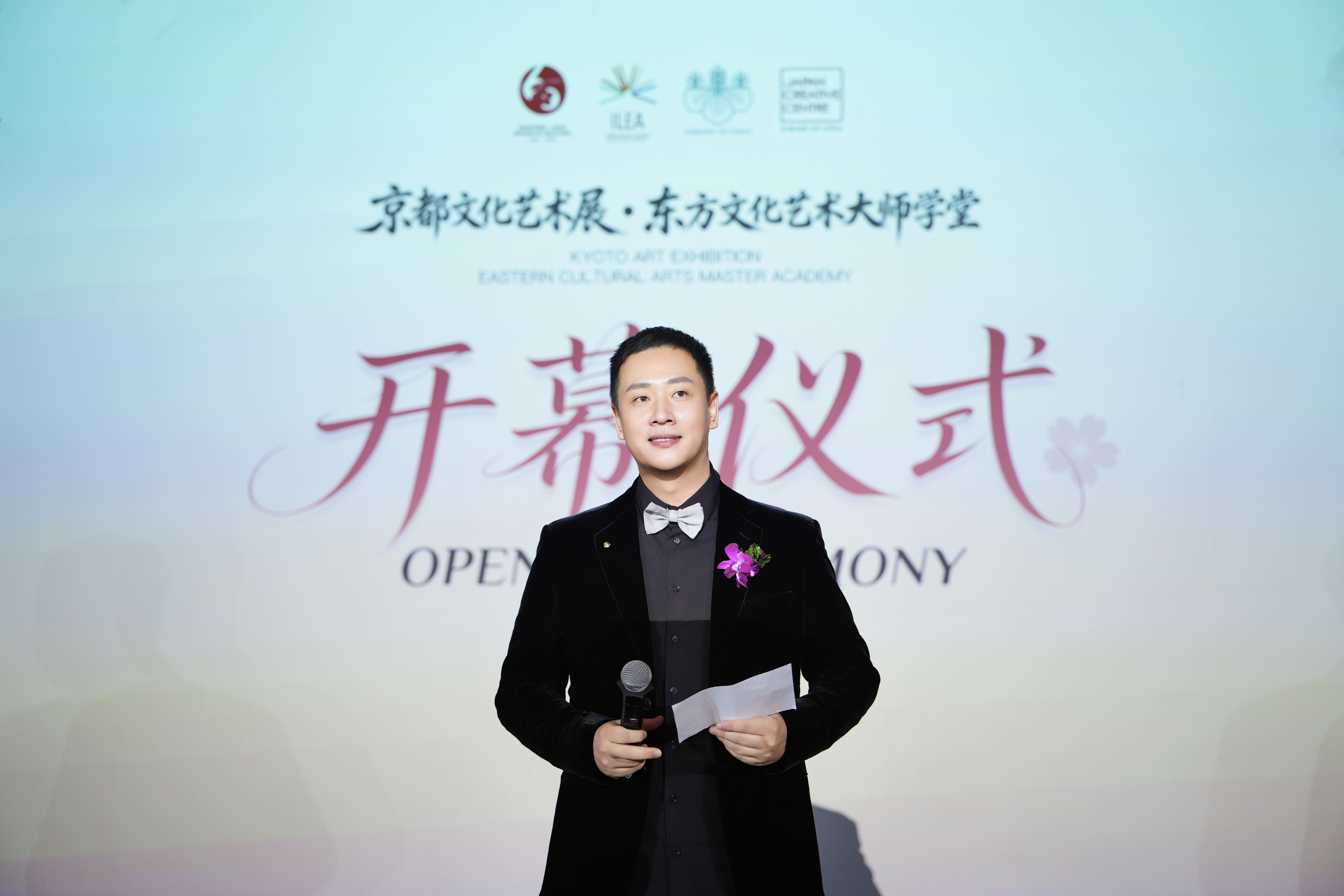
Following this, Dr Eric Wu, Chief Executive Director of the International Leading Education Association (ILEA), delivered his address. He observed that in an era marked by the rapid advancement of artificial intelligence and digital technologies, humanity must look beyond efficiency to reconsider more fundamental questions, such as those of direction and value.
“Technology enhances efficiency, but culture guides us in understanding how to use it, and how to remain grounded in clarity and judgement amidst change,” he noted. He added that the focus, order and awareness embodied in Eastern living arts offer an essential source of wisdom for contemporary society.
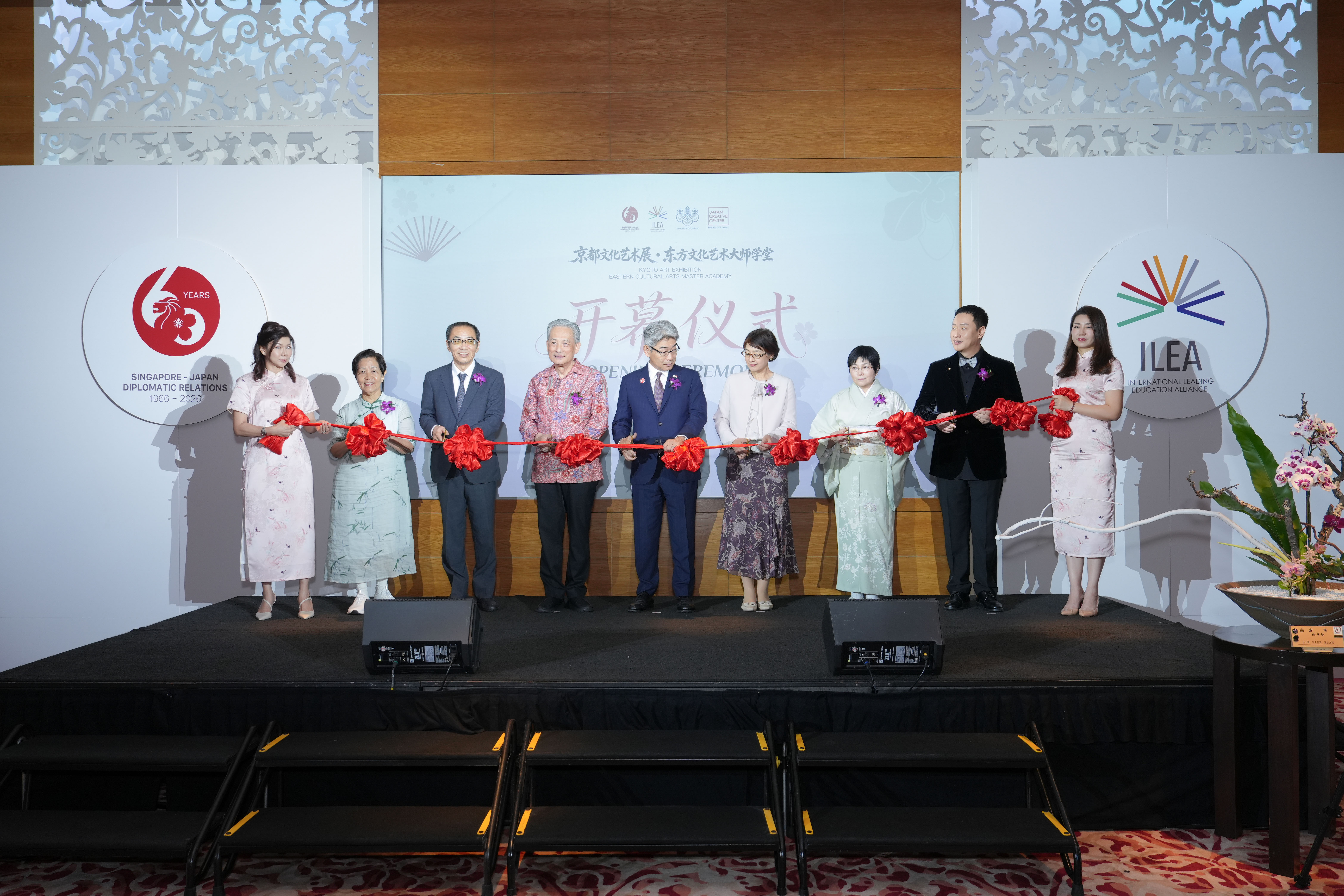
Amid warm applause, the distinguished guests officiated the ribbon-cutting ceremony, marking the official opening of the Art of Eastern Living Experience to the public.
Welcome Gala Dinner
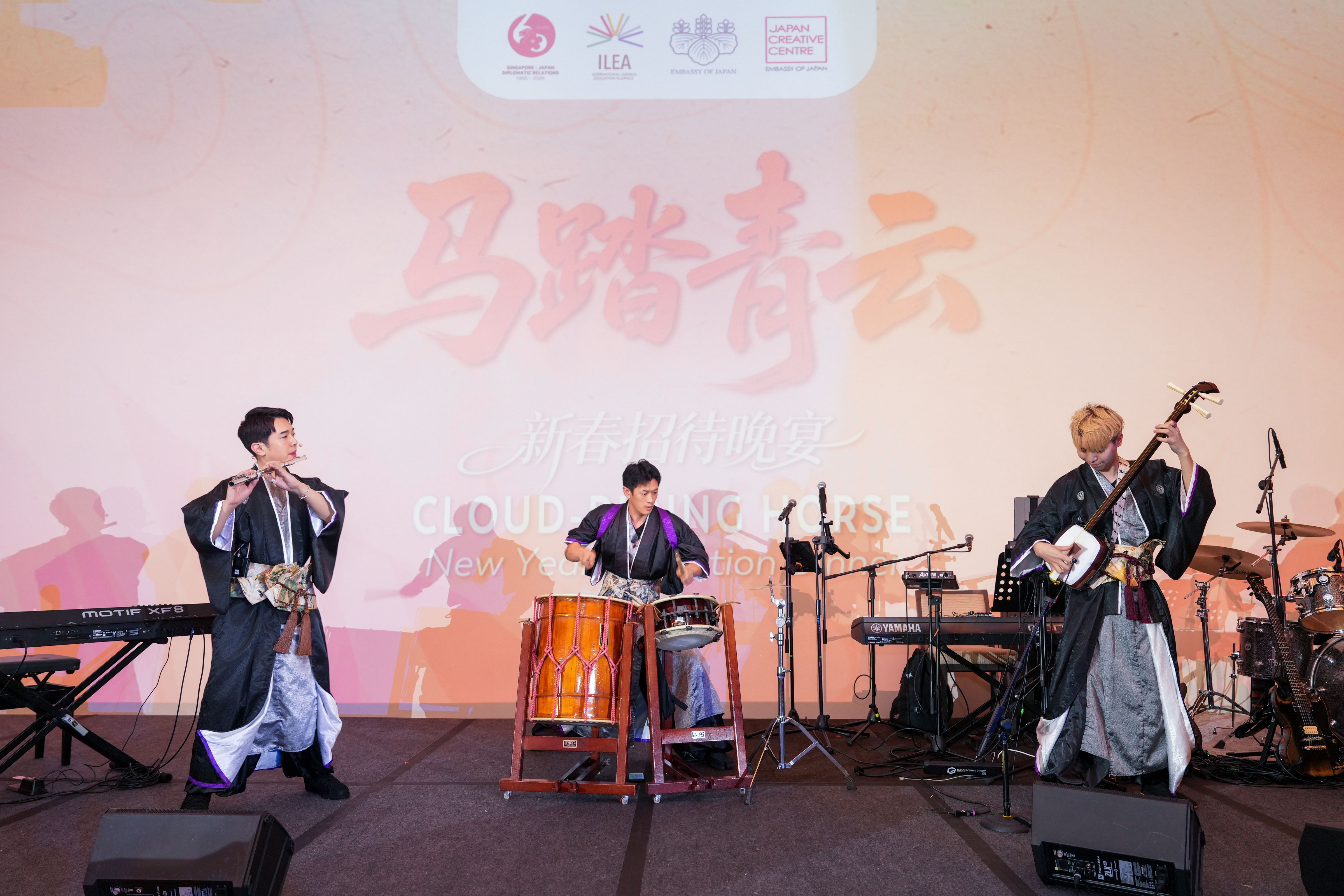
That evening, a welcome dinner was held at the Grand Hyatt Singapore ballroom. The programme opened with a powerful performance by NEO Japanesque, a contemporary Japanese taiko ensemble. The resonant rhythms of the drums created a vibrant atmosphere infused with Eastern cultural spirit, setting the tone for the evening’s proceedings.
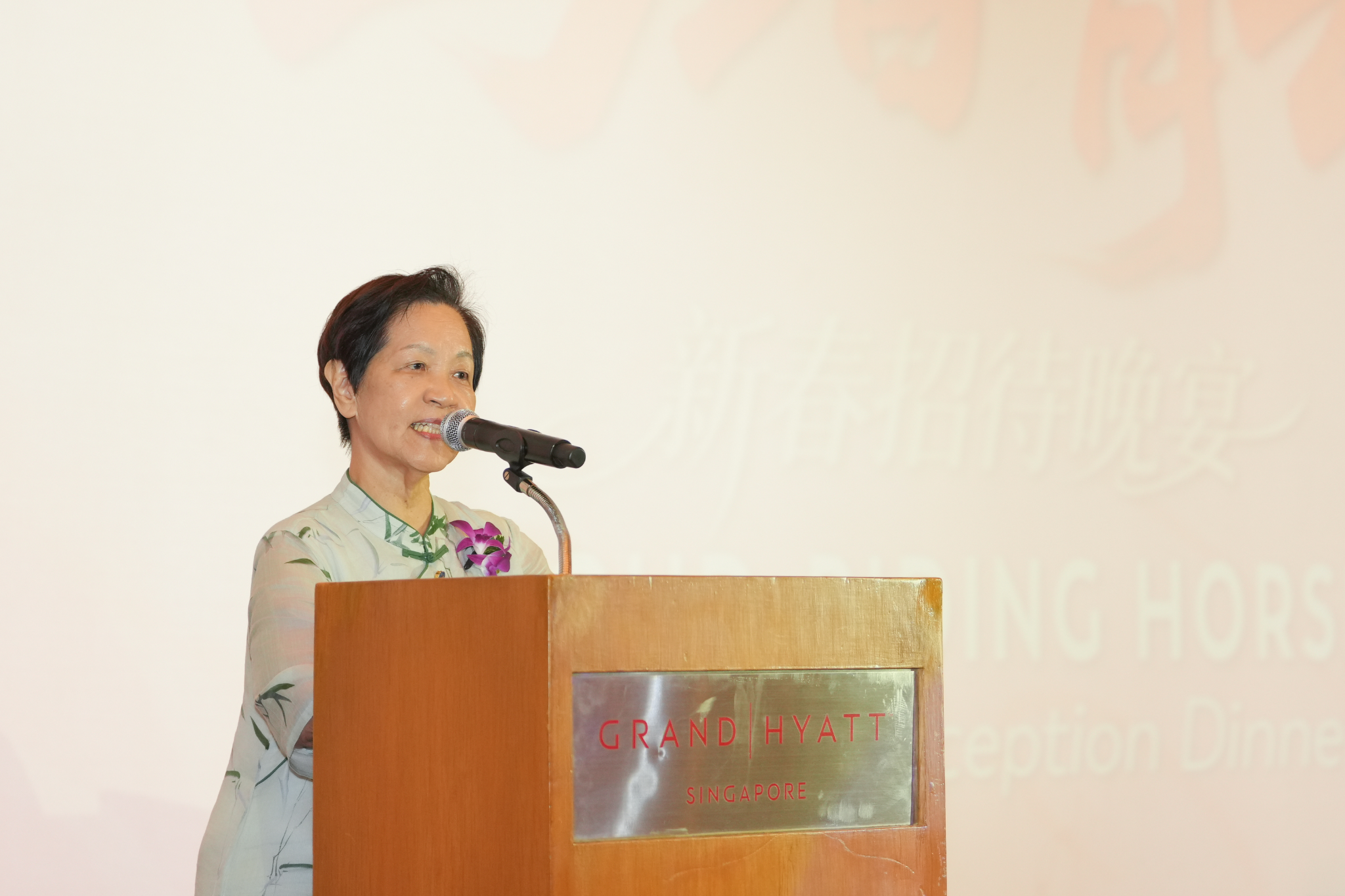
Ms Joyce Lye, President of ILEA and Kampung Senang Charity & Education Foundation Singapore, then delivered the welcome address. She extended a warm greeting to distinguished guests from across the region and expressed her appreciation for the strong support from various sectors towards the advancement of Eastern cultural and artistic exchange.
Singapore’s Minister for Education, Mr Desmond Lee, shared in a video message that in an age of rapid technological advancement, the values of focus, harmony and tranquility, embodied in traditional culture, are especially precious. These qualities not only nurture creativity and empathy, but also offer meaningful insights for the sustainable development of society.
Congratulatory messages were also conveyed via video by Mr Takeo Kawamura, former Chief Cabinet Secretary and Minister of Education, Culture, Sports, Science and Technology of Japan; Ms Yuri Konno, Founder of Dial Service Co., Ltd.; and Mr Hiroyuki Toyota, representative of the Toyota Group.
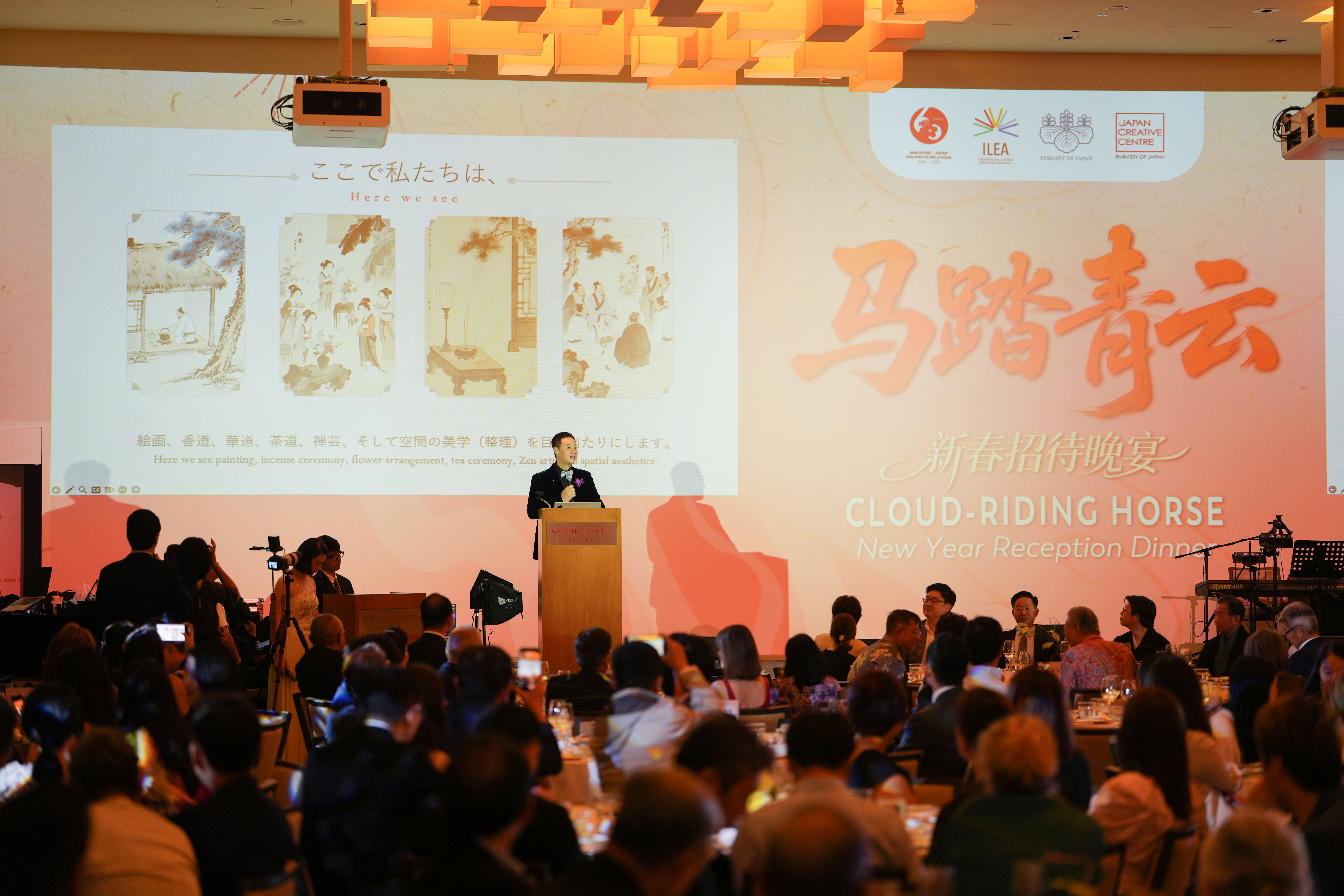
Ms Akiko Kawabe, Director of the Japan Creative Centre, and Dr Eric Wu, Chief Executive Director of ILEA, also delivered remarks. Dr Wu reiterated that while technology accelerates efficiency, it is culture that provides society with a stable system of values. The wisdom embedded in Eastern culture, he noted, enables individuals to cultivate inner order amid change, and to achieve balance and harmony in both mind and body.
Presentation of Awards of Appreciation and Appointment Ceremony for ILEA Eastern Arts Expert Committee Members
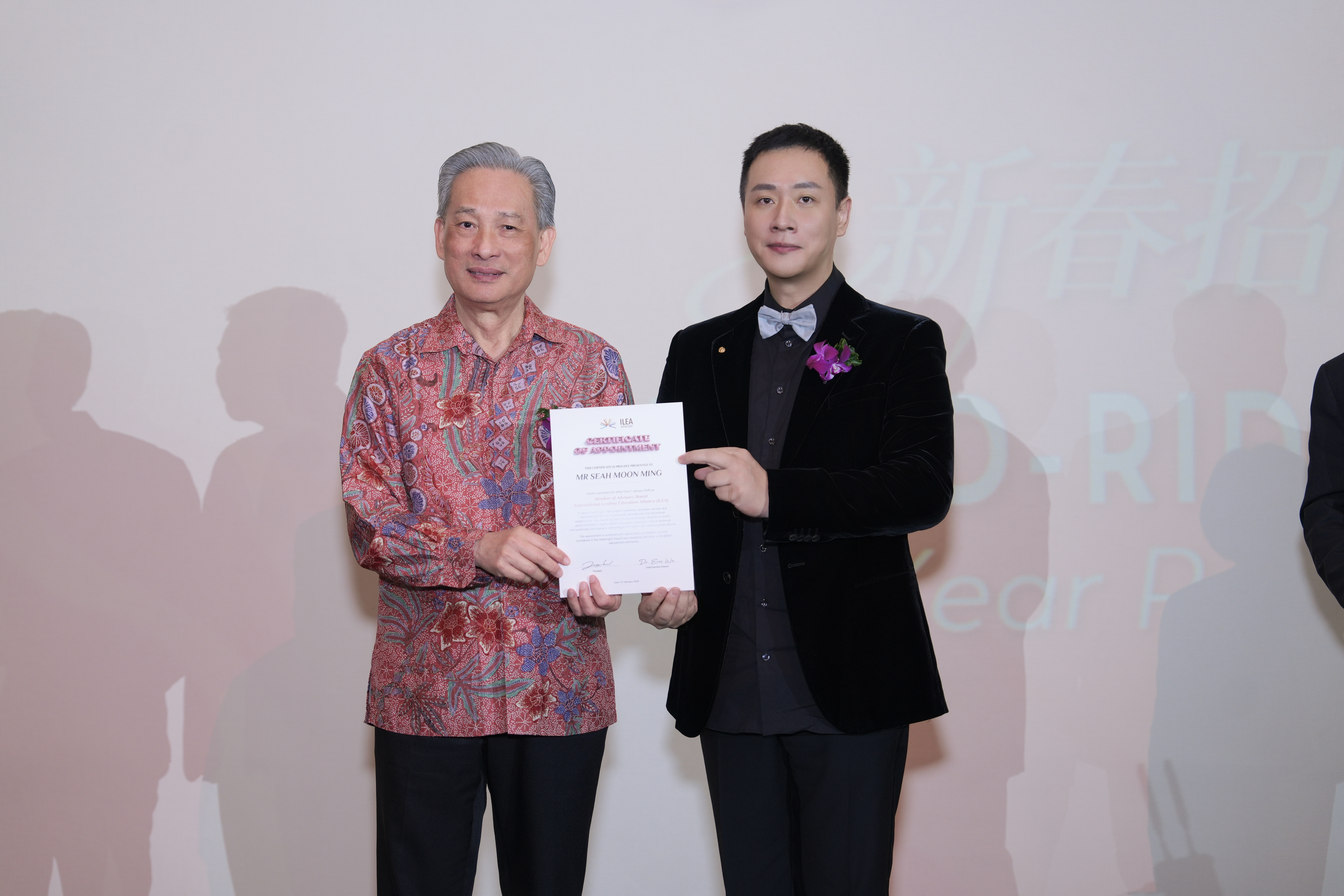
Dr Eric Wu, Chief Executive Director of the International Leading Education Association (ILEA), presented a Certificate of Appreciation to Mr Seah Moon Ming, Chairman of SMRT Corporation and Advisor to ILEA, in recognition of his longstanding support for the Association’s development and his contributions to advancing international education and cultural exchange.
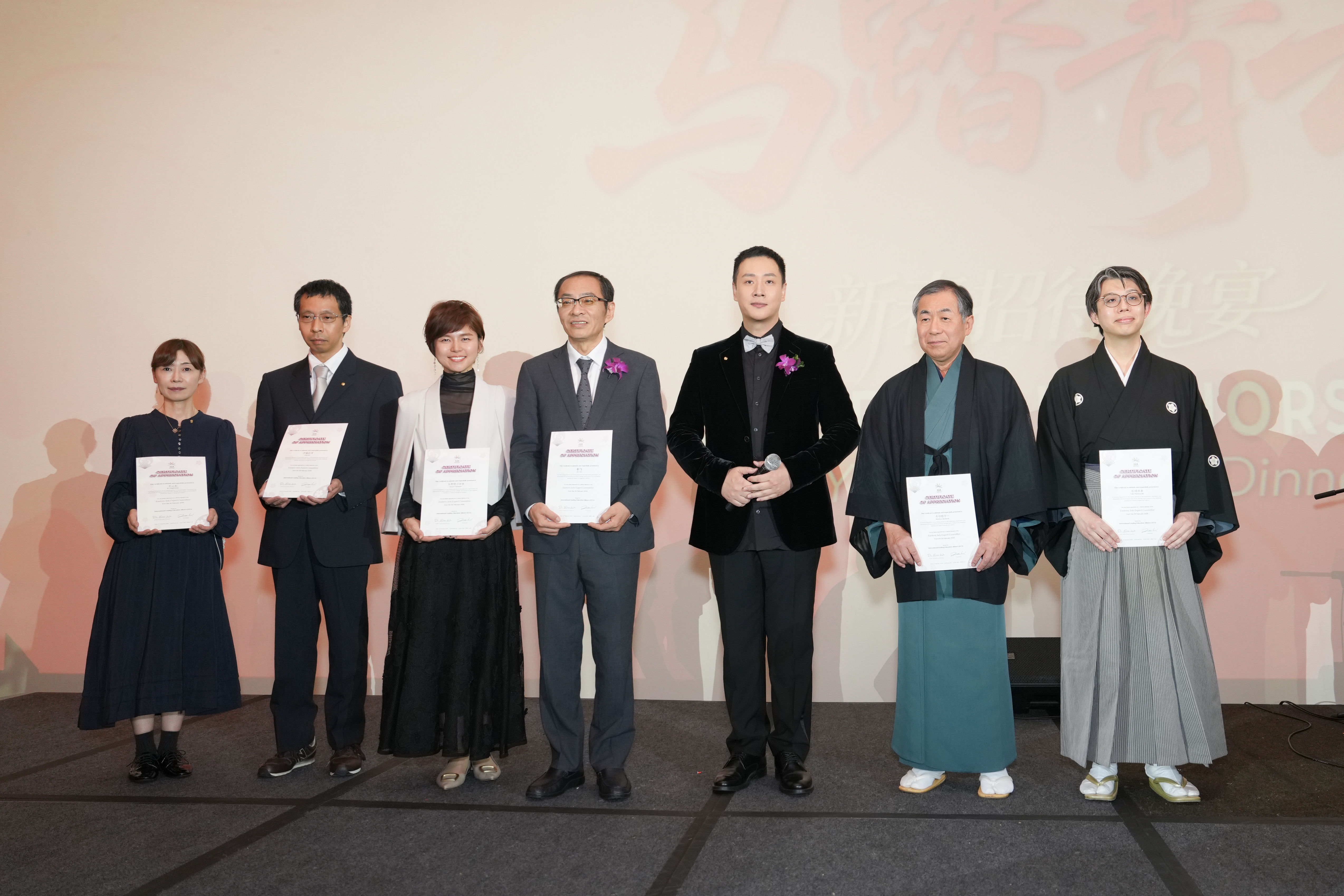
The appointment ceremony for the ILEA Eastern Arts Expert Committee followed. Dr Eric Wu presented the letters of appointment to various Eastern Arts Experts,in recognition of their dedication to transmission and advancement of cultural wisdom to an international audience.
The appointed experts include:
- Jin Fei(Japan Asia Community Cultural Cooperation Organization and Former Project Professor at the University of Tokyo)
- Uko Matsuzaki (Iemoto Jikishinryu)
- Shuitsu Akabane (Mushakoujisenke)
- Sayori Yanoma(CEO KMJ. Inc)
- Hoji Ito (Tokyo Tessai-do)
- Ko Sugiyama (Tokyo Tessai-do)
Dr Eric Wu then raised a toast, officially marking the commencement of the welcome dinner.
Incense Appreciation Experience
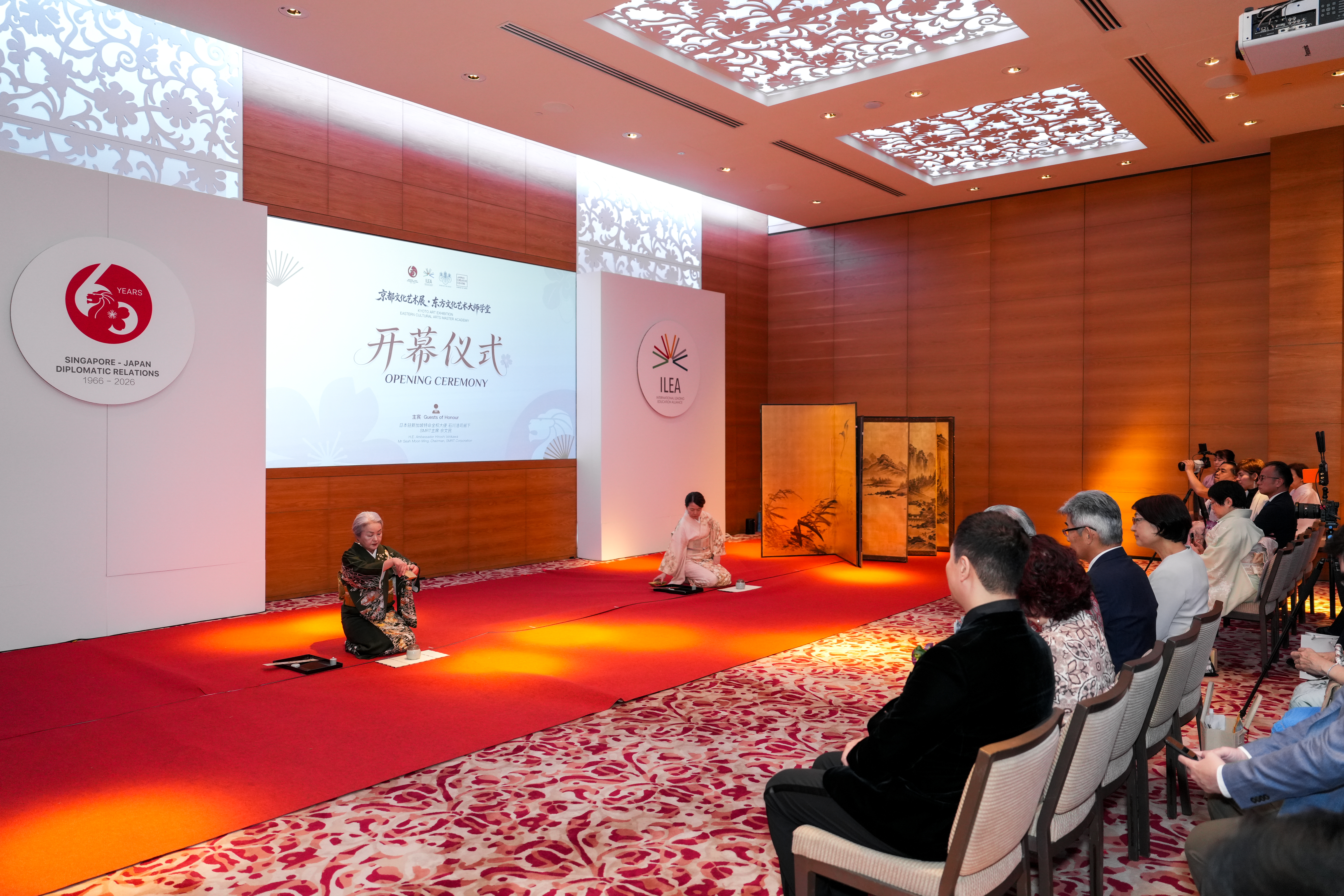
During the evening, a number of distinguished guests participated in a traditional incense appreciation experience. The ritual was led by Matsuzaki Ukō, Iemoto of the Jikishin-ryu School of Kōdō, with cultural insights provided by Professor Jin Fei. Through the attentive listening of fragrance and accompanying cultural narration, guests were invited to experience the aesthetic sensibilities and life philosophy embodied in the Eastern art of incense.
Kyoto Cultural Arts Exhibition
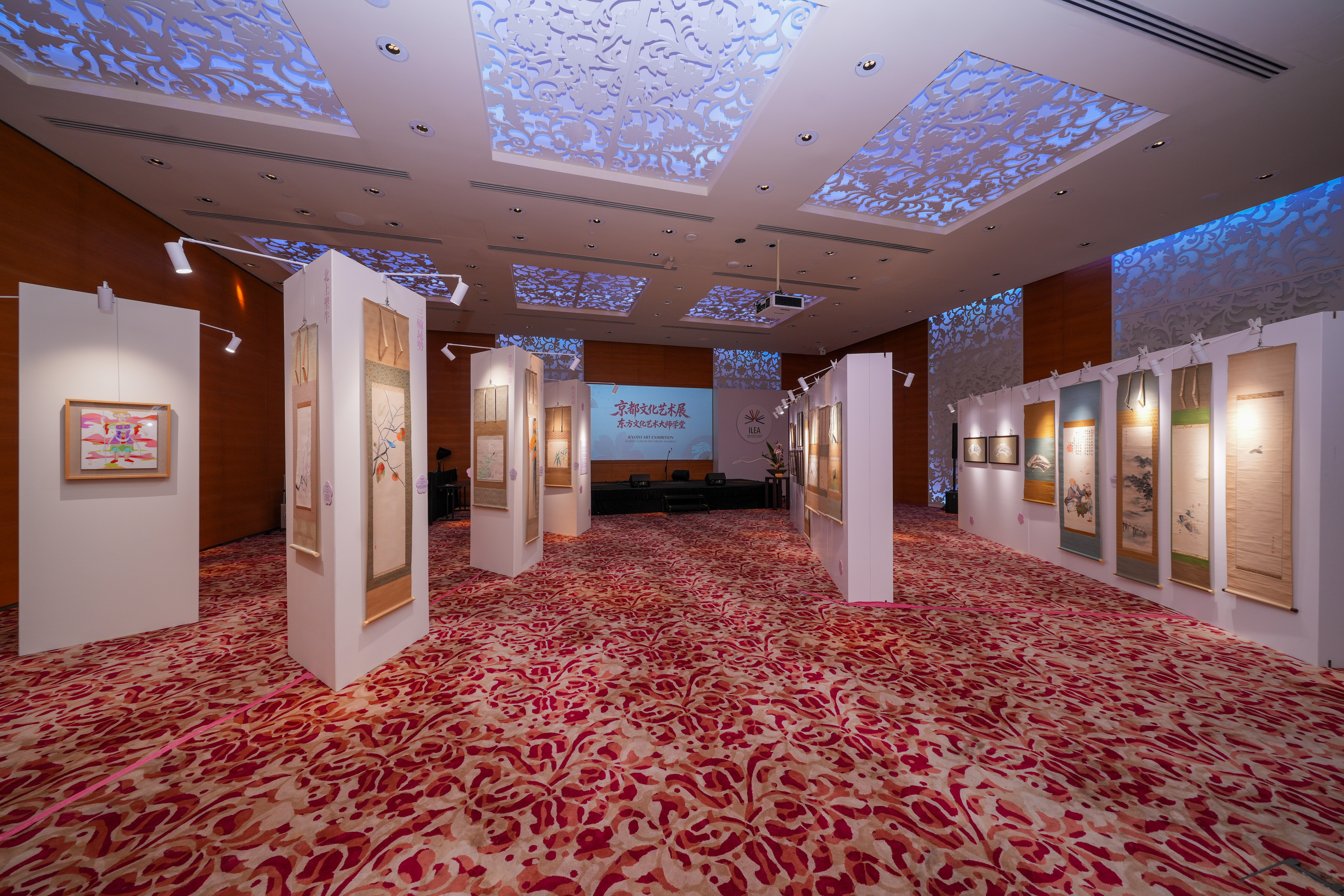
As a key component of the programme, the Kyoto Cultural Arts Exhibition presented a curated collection of paintings by renowned modern and contemporary Japanese masters, showcasing the continuity and evolution of Eastern artistic traditions across history. The exhibition brought together representative works by distinguished artists including Tomioka Tessai, Takeuchi Seihō, Domoto Inshō, Seigyū Kitakami,Suishō Nishiyama, Goun Nishimura, Chōsei Miwa, Shikō Kimura, Shunkyo Yamamoto, Hōji Itō, Kō Sugiyama, spanning a diverse range of subjects such as landscapes, flora and fauna, and figure painting.
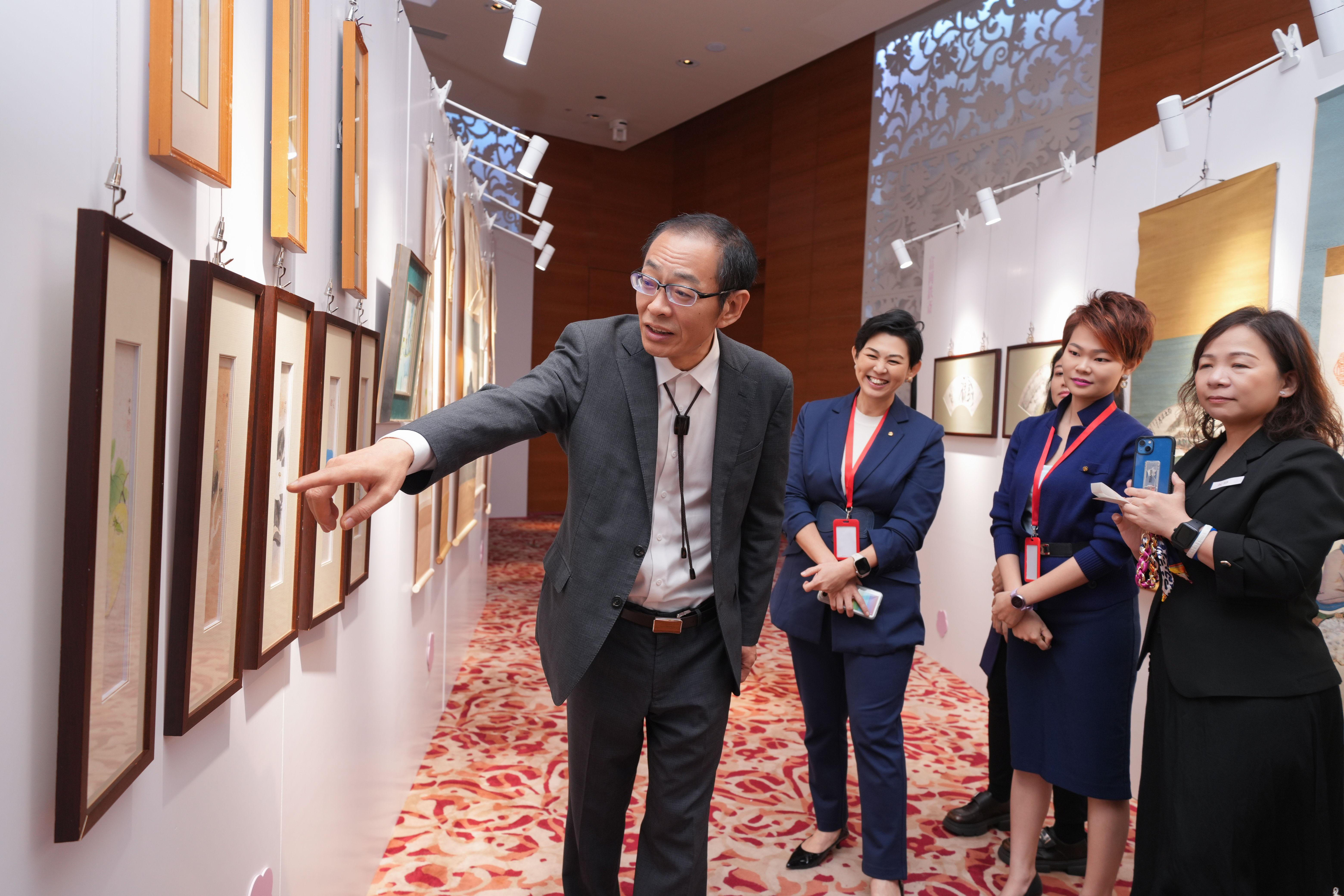
These works reflect the enduring pursuit within Eastern painting of both the poetic evocation of nature and the cultivation of spiritual depth, while also tracing the evolution of Kyoto’s artistic traditions into the modern era. Among them, the landscape paintings of Tomioka Tessai are marked by their monumental grandeur, while Takeuchi Seihō’s bird-and-flower compositions are refined and vividly expressive. The works of artists such as Domoto Inshō, meanwhile, embody a distinctive synthesis—preserving the spirit of traditional brushwork while integrating elements of modern artistic expression, revealing the unique charm of Eastern art as it moves between tradition and innovation.
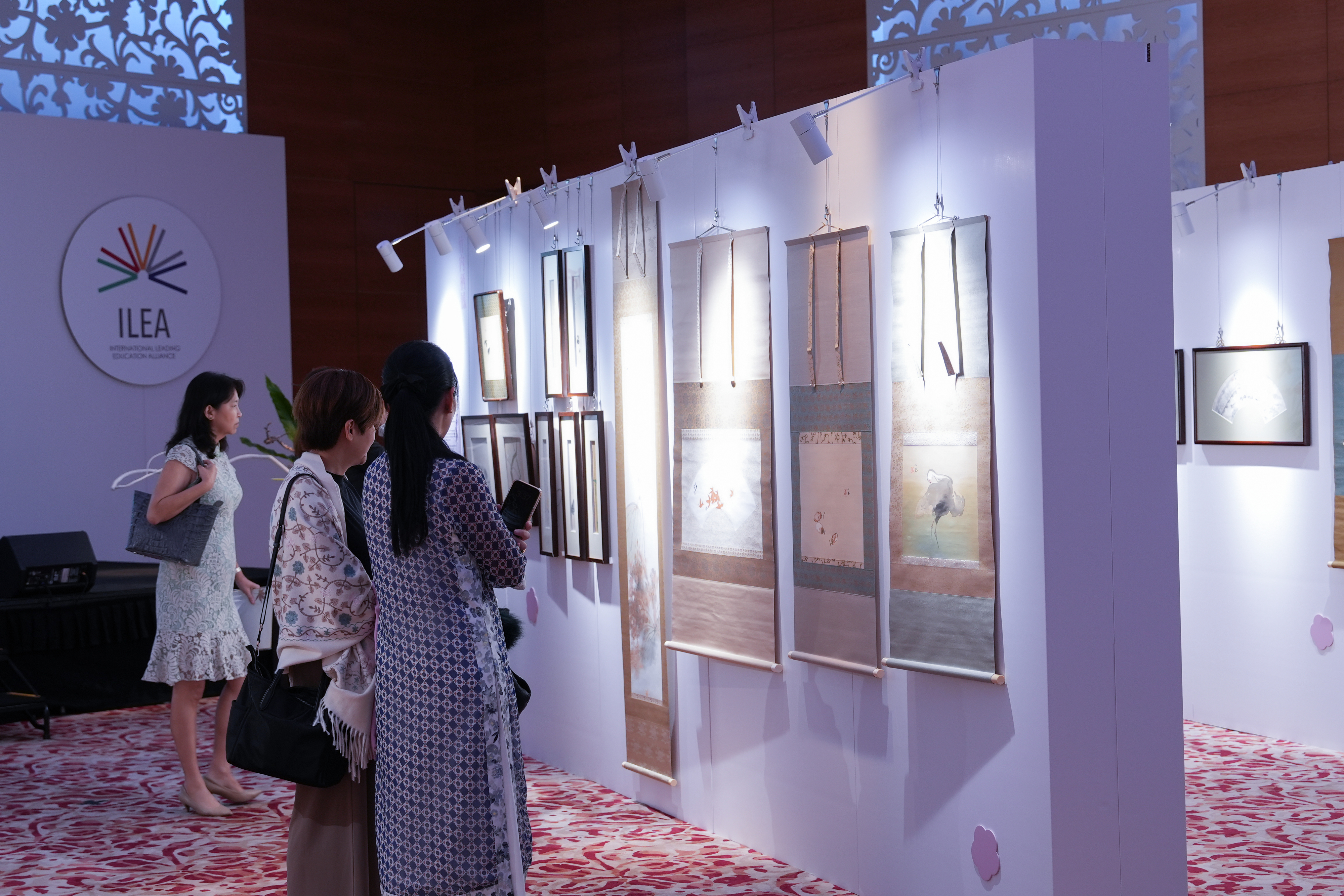
Through this exhibition, visitors were not only able to admire classical masterpieces of Japanese painting at close range, but also to appreciate the aesthetic spirit and intellectual depth embodied in the historical continuity of Eastern culture. Using art as its medium, the exhibition reveals the enduring vitality of Eastern civilisation across time, while offering the public a meaningful opportunity to gain a deeper understanding of its artistic traditions and cultural values.
Eastern Cultural Arts Master Academy
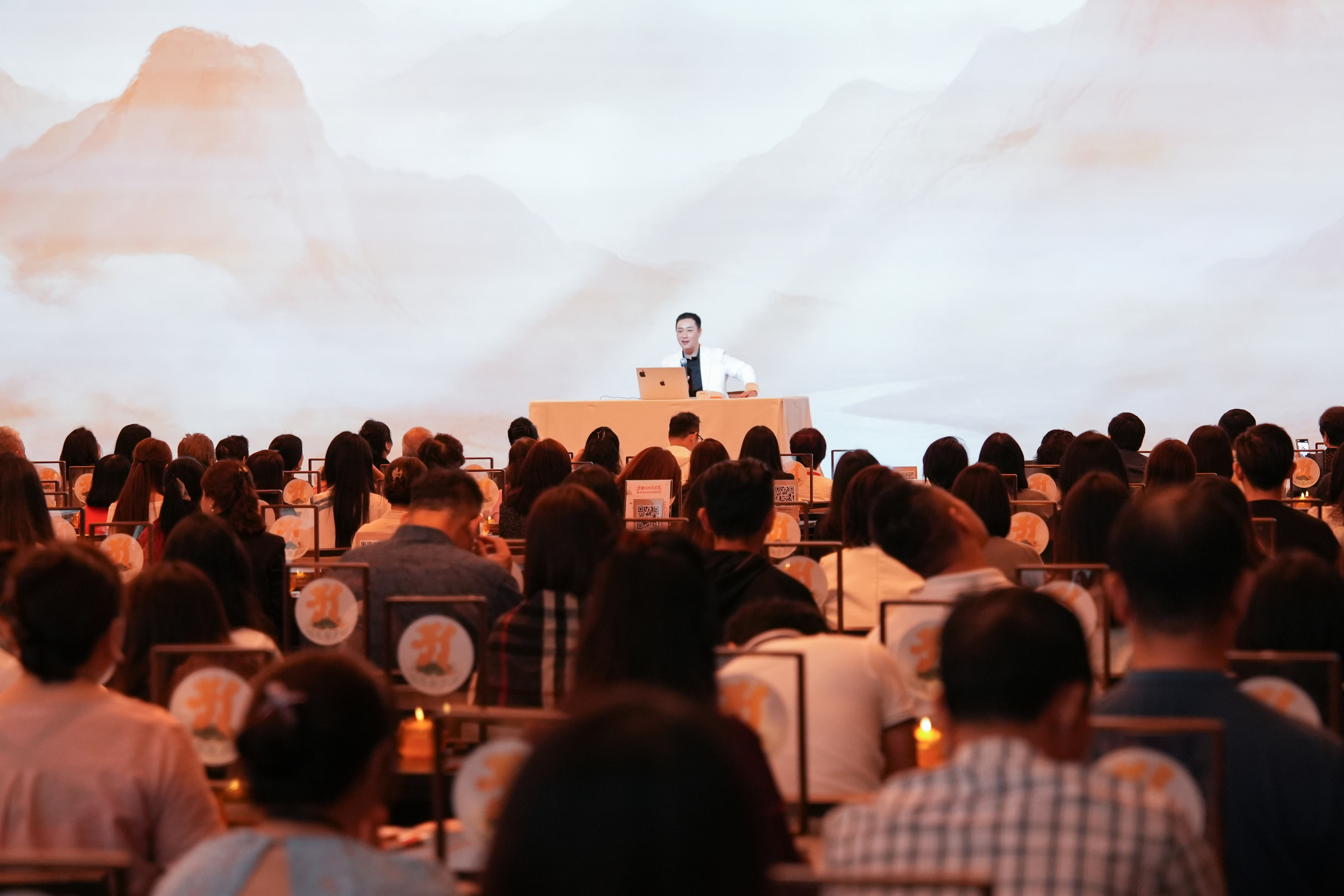
Following the opening ceremony and welcome dinner, a series of Eastern Cultural Arts Master Academy programmes and cultural experiences were held from 28 February to 1 March. The curriculum spanned a wide range of disciplines, including Zen arts, tea and incense ceremony, floral arrangement, spatial organisation, and painting. Through immersive learning, participants were guided to experience the philosophy of living embedded within Eastern cultural arts.
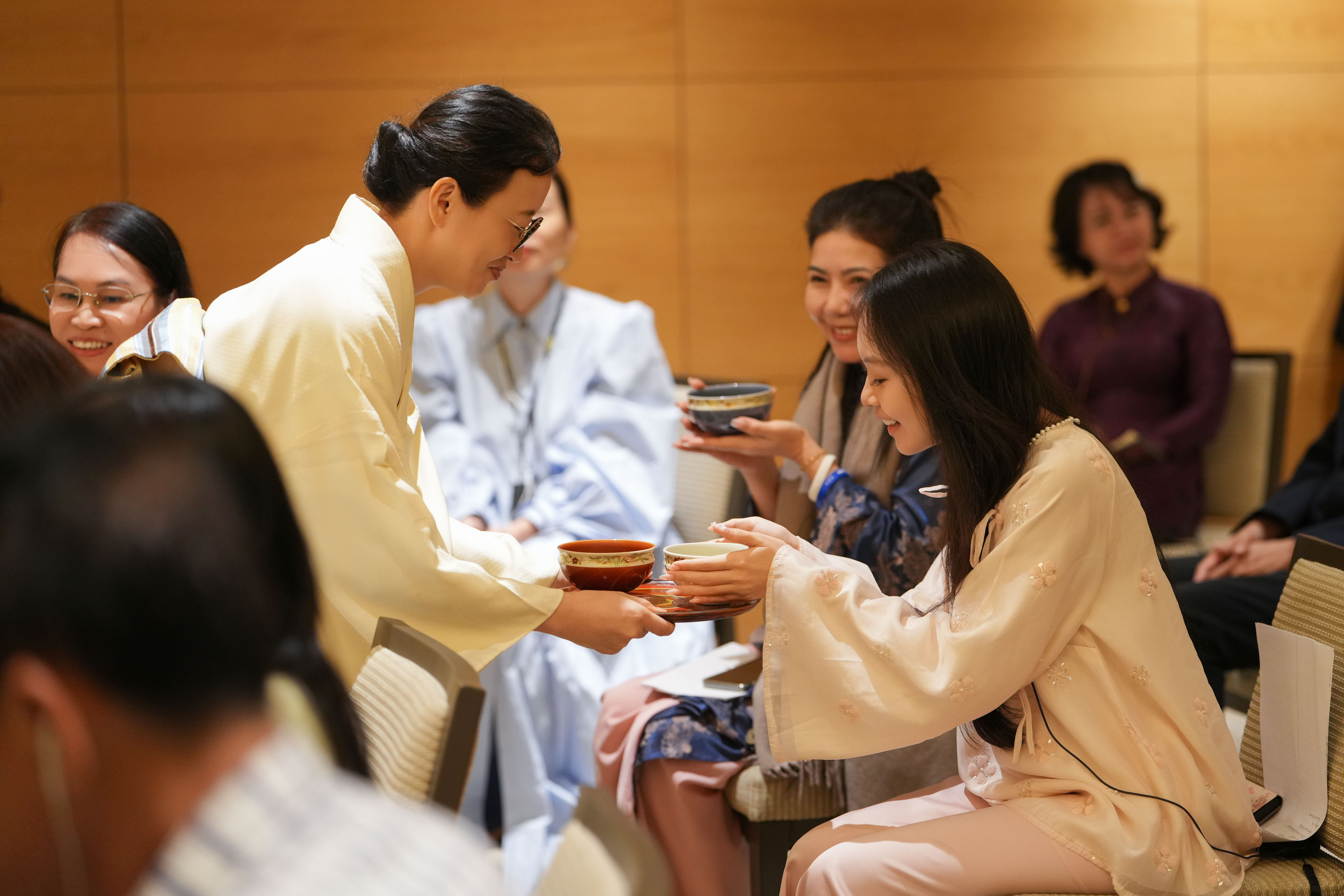
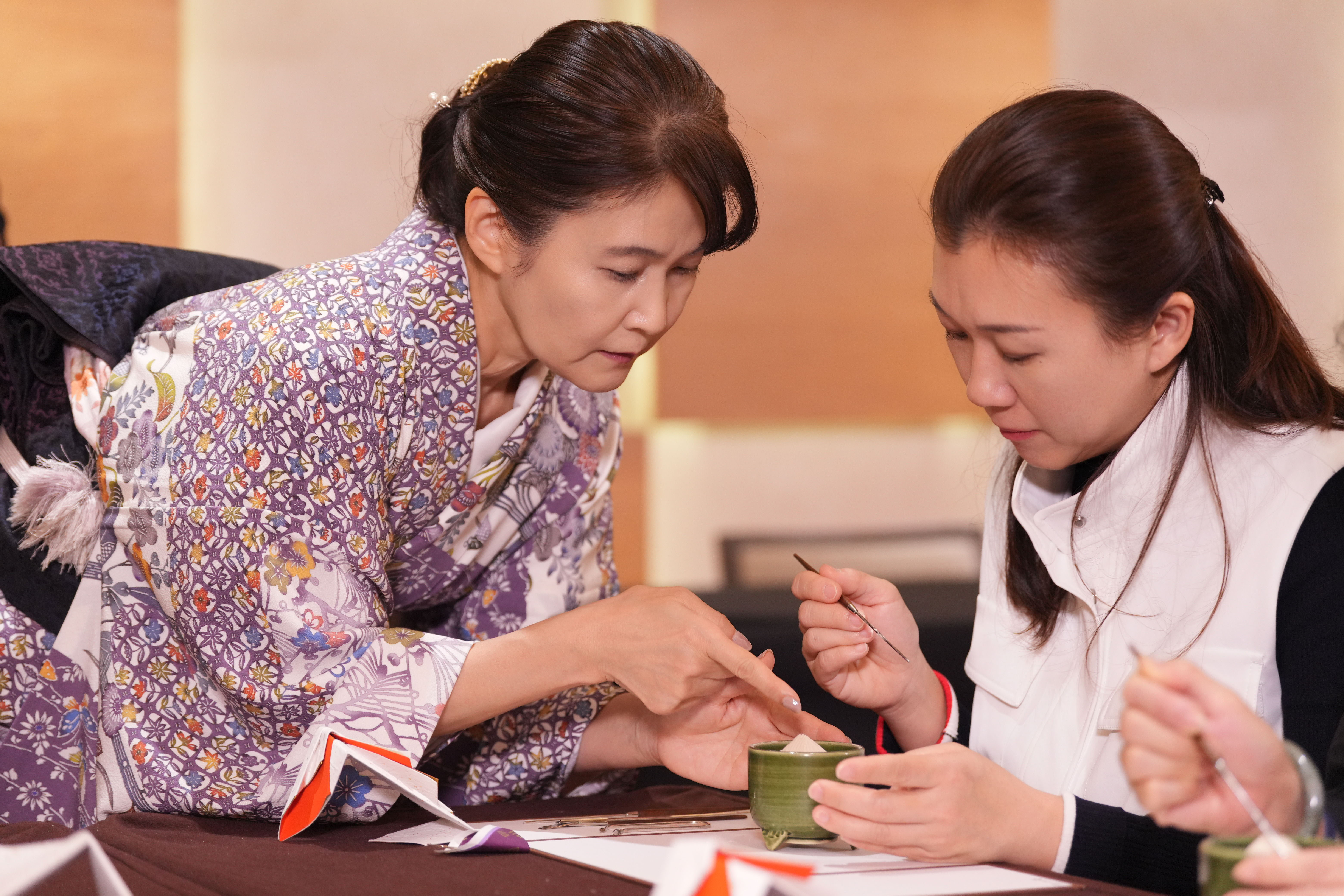
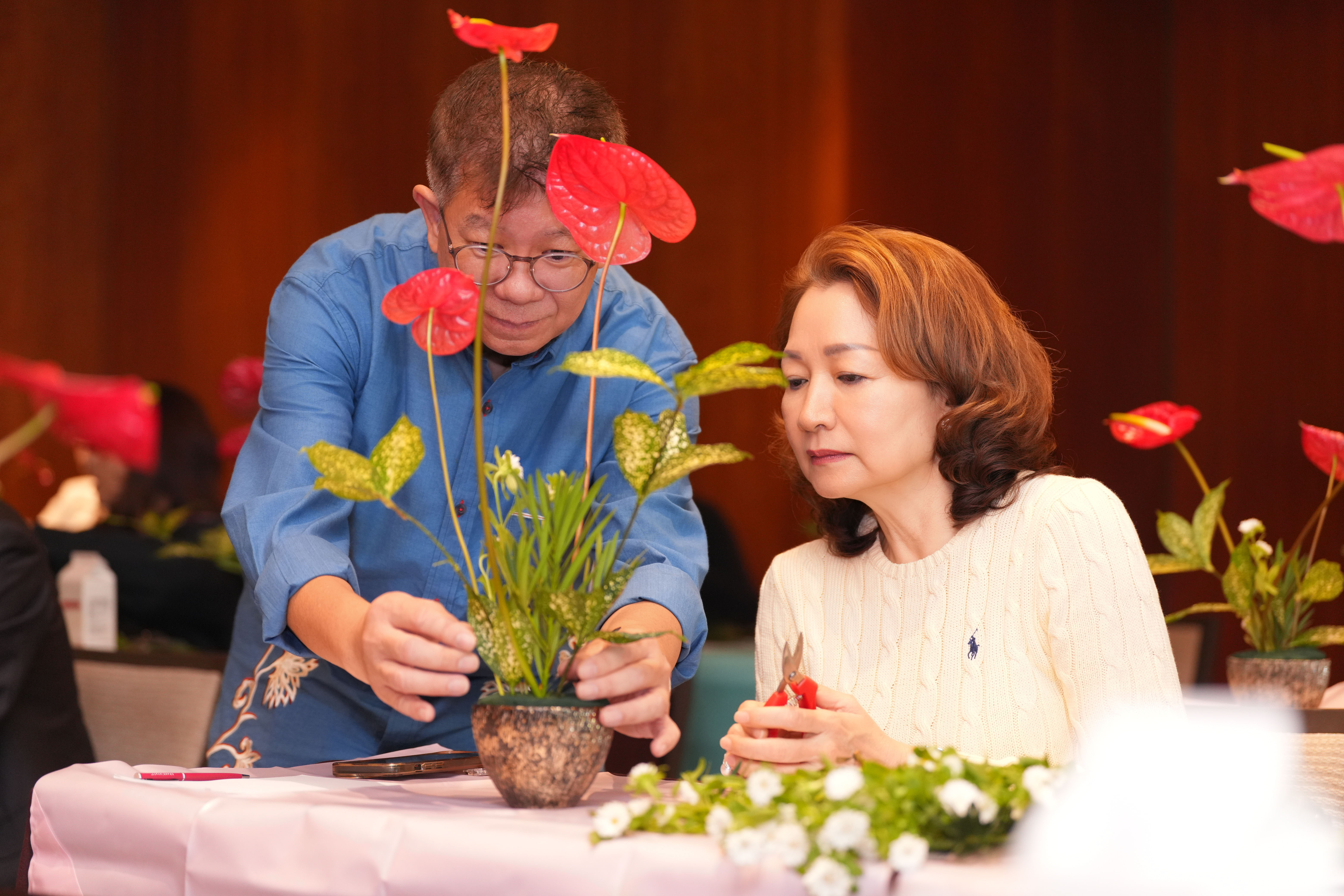
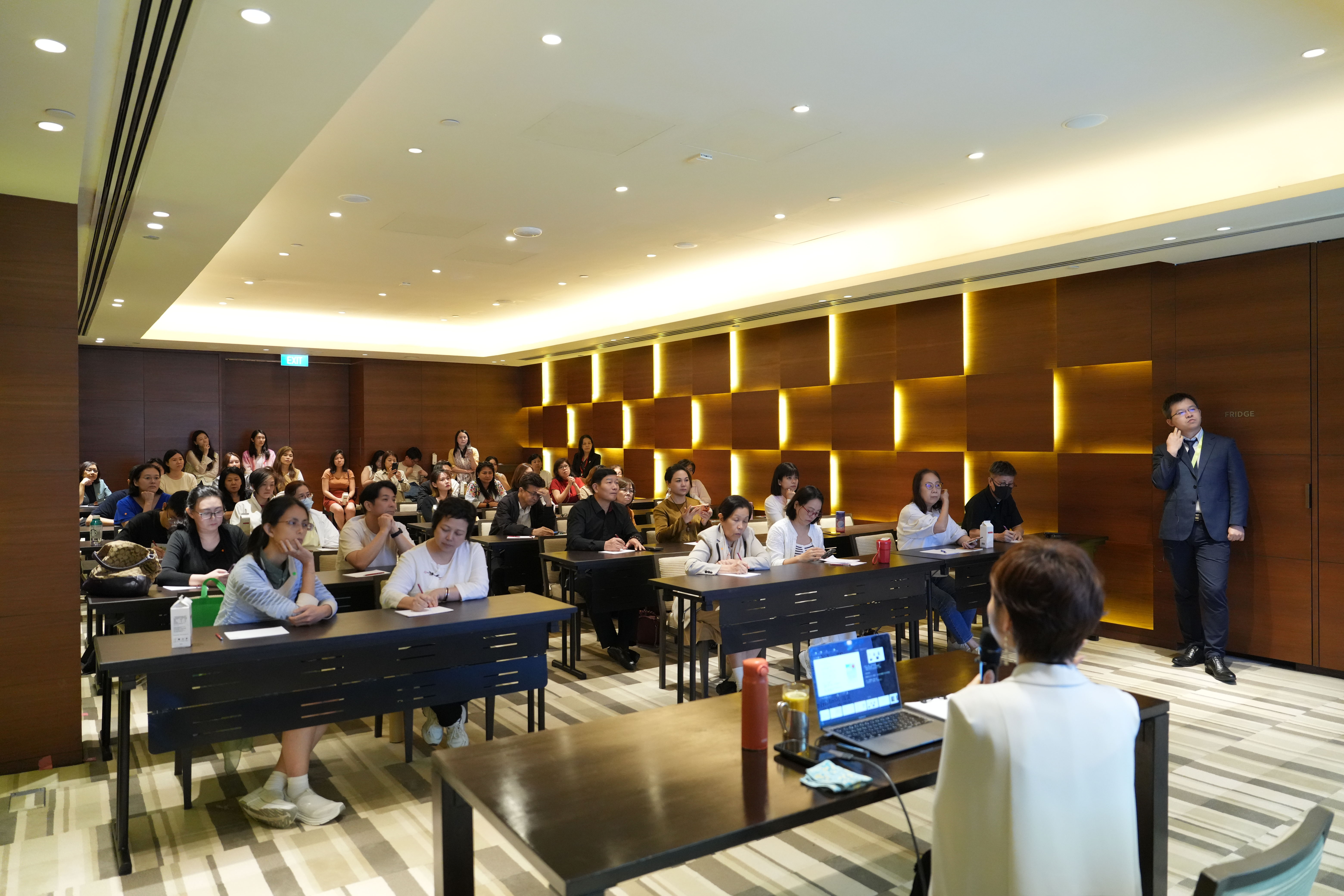
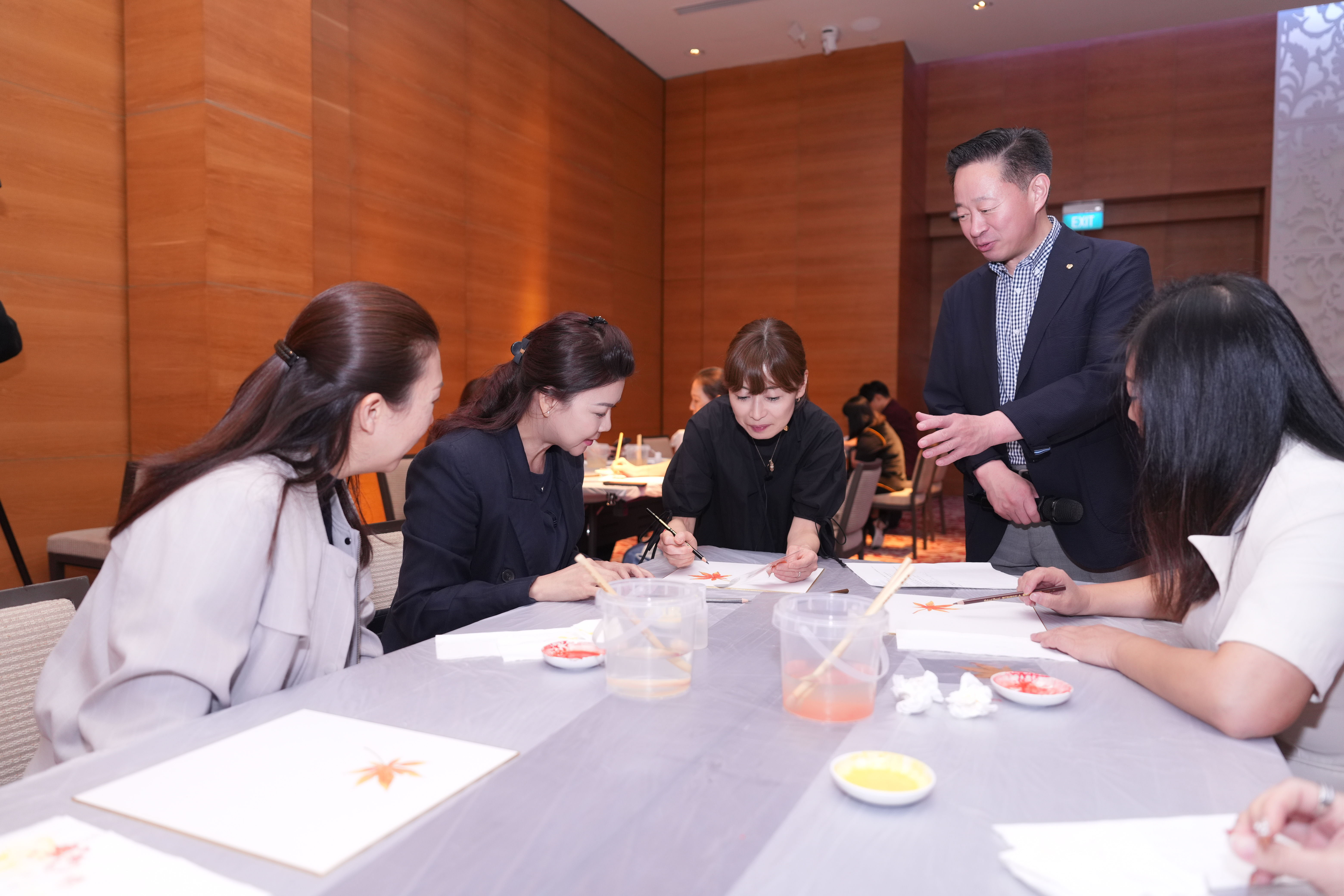
Each experience is guided by the respective Japanese and Asian Cultural Organisations and Iemotos ( Lineage headmasters ) :
- Incense Ceremony Experience:Uko Matsuzaki from Jikishinryu
- Tea Ceremony Experience:Shuitsu Akabane from Mushakoujisenke
- Floral Arrangement Experience:Dr Leonard Lim from Ikenobo Ikebana Society, Singapore Chapter
- Spatial Organisation Experience:Sayori Yanoma, CEO of KMJ Inc.
- Painting Art Experience:Ko Sugiyama, student of Hoji Ito of Kyoto Tessai-do
Through structured learning and immersive practice, participants not only acquired the techniques of traditional arts, but also gained a deeper understanding of the focus, order, and aesthetics of living embodied in Eastern culture.
Eastern Wisdom and the Path Forward
In an era shaped by the rapid advancement of artificial intelligence and digital technologies, society is increasingly recognising the importance of culture and ways of living while striving for greater efficiency and innovation. Efficiency may have been enhanced by technology, but it is culture that provides direction and value, enabling individuals to remain grounded in clarity and discernment amid constant change.Guided by the philosophy of “Transforming Challenges into Masterpieces,” this programme presented a series of experiential practices, including incense and tea ceremony, floral arrangement, Zen arts, spatial organisation, and Eastern painting. Through these disciplines, participants were invited to experience the wisdom embedded in Eastern living arts by cultivating a sense of order, focus, and awareness, while discovering the positive impact of traditional culture on modern mental and physical well-being.
During the event, the launch of the Healthy Living Mobile Academy was also announced. Rooted in the wisdom of Eastern culture, the initiative will integrate learning, experience, and practice, bringing programmes into different cities and communities so that health becomes a daily habit, and life itself becomes an art.
In an age defined by replication and scale, what provides lasting value is the depth of meaning and vitality carried by culture. Looking ahead, the Eastern Cultural Arts Master Academy will continue to expand its programmes and cultural exchanges across global cities, gradually building an international platform for the transmission of Eastern living arts. Through the integration of culture, art, and lifestyle, Eastern traditions will not only be preserved as heritage to be admired, but will evolve into living practices that are sustainable and continue to enrich contemporary life.
To commemorate the 60th anniversary of diplomatic relations between Singapore and Japan, the Art of Eastern Living Experience, together with the Kyoto Cultural Arts Exhibition and the Eastern Cultural Arts Master Academy, was successfully held at the Grand Hyatt Singapore from 27 February to 1 March 2026. Through cultural exhibitions, artistic masterclasses and international exchange, the programme showcased the unique value of Eastern living arts in contemporary society.
This event was co-organised by the International Leading Education Alliance (ILEA) and Kampung Senang Charity and Education Foundation Singapore. Distinguished representatives from the political, business, cultural and education sectors across Eastern countries and regions came together for the occasion to explore the relevance of Eastern culture in the contemporary era of rapid technological advancement.
Opening Ceremony of the Art of Eastern Living Experience
The official opening of the Art of Eastern Living Experience began on the afternoon of 27 February at the Grand Hyatt Singapore. Before the opening ceremony, guests left their autographs on the Cloud-Riding Horse themed welcome wall before their walkthrough of the exhibits of Eastern culture and artistic performances.
Guests attending the opening ceremony and welcome gala dinner include:
- Ambassador of Japan to Singapore, His Excellency Mr Hiroshi Ishikawa and his wife Madam Yuko Ishikawa
- Chairman of SMRT Corporation Ltd and Honorary Consultant of ILEA, Mr Seah Moon Ming and his wife
- Director of Japan Culture Centre, Ms Akiko Kawabe
- Japan Asia Community Cultural Cooperation Organization(JACCCO)and Former Project Professor at the University of Tokyo, Professor Jin Fei
- President of ILEA and Founder of Kampung Senang, Madam Joyce Lye Geok Choo
- Chief Executive Director of ILEA, Dr Eric Wu
At the opening ceremony, Guest of Honour Mr Seah Moon Ming noted in his address that the wisdom and humanistic spirit embodied in Eastern culture remain profoundly relevant in today’s rapidly changing world. Through cultural and artistic exchange, more people can come to appreciate the balance, focus, and harmony reflected in the Eastern way of life.
His Excellency Hiroshi Ishikawa, Ambassador of Japan to Singapore, also delivered remarks highlighting the longstanding close cultural exchanges and cooperation between Singapore and Japan. He expressed his hope that the friendship between the two nations would be further strengthened through arts and cultural initiatives, fostering deeper mutual understanding and appreciation.
Following this, Dr Eric Wu, Chief Executive Director of the International Leading Education Association (ILEA), delivered his address. He observed that in an era marked by the rapid advancement of artificial intelligence and digital technologies, humanity must look beyond efficiency to reconsider more fundamental questions, such as those of direction and value.
“Technology enhances efficiency, but culture guides us in understanding how to use it, and how to remain grounded in clarity and judgement amidst change,” he noted. He added that the focus, order and awareness embodied in Eastern living arts offer an essential source of wisdom for contemporary society.
Amid warm applause, the distinguished guests officiated the ribbon-cutting ceremony, marking the official opening of the Art of Eastern Living Experience to the public.
Welcome Gala Dinner
That evening, a welcome dinner was held at the Grand Hyatt Singapore ballroom. The programme opened with a powerful performance by NEO Japanesque, a contemporary Japanese taiko ensemble. The resonant rhythms of the drums created a vibrant atmosphere infused with Eastern cultural spirit, setting the tone for the evening’s proceedings.
Ms Joyce Lye, President of ILEA and Kampung Senang Charity & Education Foundation Singapore, then delivered the welcome address. She extended a warm greeting to distinguished guests from across the region and expressed her appreciation for the strong support from various sectors towards the advancement of Eastern cultural and artistic exchange.
Singapore’s Minister for Education, Mr Desmond Lee, shared in a video message that in an age of rapid technological advancement, the values of focus, harmony and tranquility, embodied in traditional culture, are especially precious. These qualities not only nurture creativity and empathy, but also offer meaningful insights for the sustainable development of society.
Congratulatory messages were also conveyed via video by Mr Takeo Kawamura, former Chief Cabinet Secretary and Minister of Education, Culture, Sports, Science and Technology of Japan; Ms Yuri Konno, Founder of Dial Service Co., Ltd.; and Mr Hiroyuki Toyota, representative of the Toyota Group.
Ms Akiko Kawabe, Director of the Japan Creative Centre, and Dr Eric Wu, Chief Executive Director of ILEA, also delivered remarks. Dr Wu reiterated that while technology accelerates efficiency, it is culture that provides society with a stable system of values. The wisdom embedded in Eastern culture, he noted, enables individuals to cultivate inner order amid change, and to achieve balance and harmony in both mind and body.
Presentation of Awards of Appreciation and Appointment Ceremony for ILEA Eastern Arts Expert Committee Members
Dr Eric Wu, Chief Executive Director of the International Leading Education Association (ILEA), presented a Certificate of Appreciation to Mr Seah Moon Ming, Chairman of SMRT Corporation and Advisor to ILEA, in recognition of his longstanding support for the Association’s development and his contributions to advancing international education and cultural exchange.
The appointment ceremony for the ILEA Eastern Arts Expert Committee followed. Dr Eric Wu presented the letters of appointment to various Eastern Arts Experts,in recognition of their dedication to transmission and advancement of cultural wisdom to an international audience.
The appointed experts include:
- Jin Fei(Japan Asia Community Cultural Cooperation Organization and Former Project Professor at the University of Tokyo)
- Uko Matsuzaki (Iemoto Jikishinryu)
- Shuitsu Akabane (Mushakoujisenke)
- Sayori Yanoma(CEO KMJ. Inc)
- Hoji Ito (Tokyo Tessai-do)
- Ko Sugiyama (Tokyo Tessai-do)
Dr Eric Wu then raised a toast, officially marking the commencement of the welcome dinner.
Incense Appreciation Experience
During the evening, a number of distinguished guests participated in a traditional incense appreciation experience. The ritual was led by Matsuzaki Ukō, Iemoto of the Jikishin-ryu School of Kōdō, with cultural insights provided by Professor Jin Fei. Through the attentive listening of fragrance and accompanying cultural narration, guests were invited to experience the aesthetic sensibilities and life philosophy embodied in the Eastern art of incense.
Kyoto Cultural Arts Exhibition
As a key component of the programme, the Kyoto Cultural Arts Exhibition presented a curated collection of paintings by renowned modern and contemporary Japanese masters, showcasing the continuity and evolution of Eastern artistic traditions across history. The exhibition brought together representative works by distinguished artists including Tomioka Tessai, Takeuchi Seihō, Domoto Inshō, Seigyū Kitakami,Suishō Nishiyama, Goun Nishimura, Chōsei Miwa, Shikō Kimura, Shunkyo Yamamoto, Hōji Itō, Kō Sugiyama, spanning a diverse range of subjects such as landscapes, flora and fauna, and figure painting.
These works reflect the enduring pursuit within Eastern painting of both the poetic evocation of nature and the cultivation of spiritual depth, while also tracing the evolution of Kyoto’s artistic traditions into the modern era. Among them, the landscape paintings of Tomioka Tessai are marked by their monumental grandeur, while Takeuchi Seihō’s bird-and-flower compositions are refined and vividly expressive. The works of artists such as Domoto Inshō, meanwhile, embody a distinctive synthesis—preserving the spirit of traditional brushwork while integrating elements of modern artistic expression, revealing the unique charm of Eastern art as it moves between tradition and innovation.
Through this exhibition, visitors were not only able to admire classical masterpieces of Japanese painting at close range, but also to appreciate the aesthetic spirit and intellectual depth embodied in the historical continuity of Eastern culture. Using art as its medium, the exhibition reveals the enduring vitality of Eastern civilisation across time, while offering the public a meaningful opportunity to gain a deeper understanding of its artistic traditions and cultural values.
Eastern Cultural Arts Master Academy
Following the opening ceremony and welcome dinner, a series of Eastern Cultural Arts Master Academy programmes and cultural experiences were held from 28 February to 1 March. The curriculum spanned a wide range of disciplines, including Zen arts, tea and incense ceremony, floral arrangement, spatial organisation, and painting. Through immersive learning, participants were guided to experience the philosophy of living embedded within Eastern cultural arts.
Each experience is guided by the respective Japanese and Asian Cultural Organisations and Iemotos ( Lineage headmasters ) :
- Incense Ceremony Experience:Uko Matsuzaki from Jikishinryu
- Tea Ceremony Experience:Shuitsu Akabane from Mushakoujisenke
- Floral Arrangement Experience:Dr Leonard Lim from Ikenobo Ikebana Society, Singapore Chapter
- Spatial Organisation Experience:Sayori Yanoma, CEO of KMJ Inc.
- Painting Art Experience:Ko Sugiyama, student of Hoji Ito of Kyoto Tessai-do
Through structured learning and immersive practice, participants not only acquired the techniques of traditional arts, but also gained a deeper understanding of the focus, order, and aesthetics of living embodied in Eastern culture.
Eastern Wisdom and the Path Forward
In an era shaped by the rapid advancement of artificial intelligence and digital technologies, society is increasingly recognising the importance of culture and ways of living while striving for greater efficiency and innovation. Efficiency may have been enhanced by technology, but it is culture that provides direction and value, enabling individuals to remain grounded in clarity and discernment amid constant change.Guided by the philosophy of “Transforming Challenges into Masterpieces,” this programme presented a series of experiential practices, including incense and tea ceremony, floral arrangement, Zen arts, spatial organisation, and Eastern painting. Through these disciplines, participants were invited to experience the wisdom embedded in Eastern living arts by cultivating a sense of order, focus, and awareness, while discovering the positive impact of traditional culture on modern mental and physical well-being.
During the event, the launch of the Healthy Living Mobile Academy was also announced. Rooted in the wisdom of Eastern culture, the initiative will integrate learning, experience, and practice, bringing programmes into different cities and communities so that health becomes a daily habit, and life itself becomes an art.
In an age defined by replication and scale, what provides lasting value is the depth of meaning and vitality carried by culture. Looking ahead, the Eastern Cultural Arts Master Academy will continue to expand its programmes and cultural exchanges across global cities, gradually building an international platform for the transmission of Eastern living arts. Through the integration of culture, art, and lifestyle, Eastern traditions will not only be preserved as heritage to be admired, but will evolve into living practices that are sustainable and continue to enrich contemporary life.
To commemorate the 60th anniversary of diplomatic relations between Singapore and Japan, the Art of Eastern Living Experience, together with the Kyoto Cultural Arts Exhibition and the Eastern Cultural Arts Master Academy, was successfully held at the Grand Hyatt Singapore from 27 February to 1 March 2026. Through cultural exhibitions, artistic masterclasses and international exchange, the programme showcased the unique value of Eastern living arts in contemporary society.
This event was co-organised by the International Leading Education Alliance (ILEA) and Kampung Senang Charity and Education Foundation Singapore. Distinguished representatives from the political, business, cultural and education sectors across Eastern countries and regions came together for the occasion to explore the relevance of Eastern culture in the contemporary era of rapid technological advancement.
Opening Ceremony of the Art of Eastern Living Experience
The official opening of the Art of Eastern Living Experience began on the afternoon of 27 February at the Grand Hyatt Singapore. Before the opening ceremony, guests left their autographs on the Cloud-Riding Horse themed welcome wall before their walkthrough of the exhibits of Eastern culture and artistic performances.
Guests attending the opening ceremony and welcome gala dinner include:
- Ambassador of Japan to Singapore, His Excellency Mr Hiroshi Ishikawa and his wife Madam Yuko Ishikawa
- Chairman of SMRT Corporation Ltd and Honorary Consultant of ILEA, Mr Seah Moon Ming and his wife
- Director of Japan Culture Centre, Ms Akiko Kawabe
- Japan Asia Community Cultural Cooperation Organization(JACCCO)and Former Project Professor at the University of Tokyo, Professor Jin Fei
- President of ILEA and Founder of Kampung Senang, Madam Joyce Lye Geok Choo
- Chief Executive Director of ILEA, Dr Eric Wu
At the opening ceremony, Guest of Honour Mr Seah Moon Ming noted in his address that the wisdom and humanistic spirit embodied in Eastern culture remain profoundly relevant in today’s rapidly changing world. Through cultural and artistic exchange, more people can come to appreciate the balance, focus, and harmony reflected in the Eastern way of life.
His Excellency Hiroshi Ishikawa, Ambassador of Japan to Singapore, also delivered remarks highlighting the longstanding close cultural exchanges and cooperation between Singapore and Japan. He expressed his hope that the friendship between the two nations would be further strengthened through arts and cultural initiatives, fostering deeper mutual understanding and appreciation.
Following this, Dr Eric Wu, Chief Executive Director of the International Leading Education Association (ILEA), delivered his address. He observed that in an era marked by the rapid advancement of artificial intelligence and digital technologies, humanity must look beyond efficiency to reconsider more fundamental questions, such as those of direction and value.
“Technology enhances efficiency, but culture guides us in understanding how to use it, and how to remain grounded in clarity and judgement amidst change,” he noted. He added that the focus, order and awareness embodied in Eastern living arts offer an essential source of wisdom for contemporary society.
Amid warm applause, the distinguished guests officiated the ribbon-cutting ceremony, marking the official opening of the Art of Eastern Living Experience to the public.
Welcome Gala Dinner
That evening, a welcome dinner was held at the Grand Hyatt Singapore ballroom. The programme opened with a powerful performance by NEO Japanesque, a contemporary Japanese taiko ensemble. The resonant rhythms of the drums created a vibrant atmosphere infused with Eastern cultural spirit, setting the tone for the evening’s proceedings.
Ms Joyce Lye, President of ILEA and Kampung Senang Charity & Education Foundation Singapore, then delivered the welcome address. She extended a warm greeting to distinguished guests from across the region and expressed her appreciation for the strong support from various sectors towards the advancement of Eastern cultural and artistic exchange.
Singapore’s Minister for Education, Mr Desmond Lee, shared in a video message that in an age of rapid technological advancement, the values of focus, harmony and tranquility, embodied in traditional culture, are especially precious. These qualities not only nurture creativity and empathy, but also offer meaningful insights for the sustainable development of society.
Congratulatory messages were also conveyed via video by Mr Takeo Kawamura, former Chief Cabinet Secretary and Minister of Education, Culture, Sports, Science and Technology of Japan; Ms Yuri Konno, Founder of Dial Service Co., Ltd.; and Mr Hiroyuki Toyota, representative of the Toyota Group.
Ms Akiko Kawabe, Director of the Japan Creative Centre, and Dr Eric Wu, Chief Executive Director of ILEA, also delivered remarks. Dr Wu reiterated that while technology accelerates efficiency, it is culture that provides society with a stable system of values. The wisdom embedded in Eastern culture, he noted, enables individuals to cultivate inner order amid change, and to achieve balance and harmony in both mind and body.
Presentation of Awards of Appreciation and Appointment Ceremony for ILEA Eastern Arts Expert Committee Members
Dr Eric Wu, Chief Executive Director of the International Leading Education Association (ILEA), presented a Certificate of Appreciation to Mr Seah Moon Ming, Chairman of SMRT Corporation and Advisor to ILEA, in recognition of his longstanding support for the Association’s development and his contributions to advancing international education and cultural exchange.
The appointment ceremony for the ILEA Eastern Arts Expert Committee followed. Dr Eric Wu presented the letters of appointment to various Eastern Arts Experts,in recognition of their dedication to transmission and advancement of cultural wisdom to an international audience.
The appointed experts include:
- Jin Fei(Japan Asia Community Cultural Cooperation Organization and Former Project Professor at the University of Tokyo)
- Uko Matsuzaki (Iemoto Jikishinryu)
- Shuitsu Akabane (Mushakoujisenke)
- Sayori Yanoma(CEO KMJ. Inc)
- Hoji Ito (Tokyo Tessai-do)
- Ko Sugiyama (Tokyo Tessai-do)
Dr Eric Wu then raised a toast, officially marking the commencement of the welcome dinner.
Incense Appreciation Experience
During the evening, a number of distinguished guests participated in a traditional incense appreciation experience. The ritual was led by Matsuzaki Ukō, Iemoto of the Jikishin-ryu School of Kōdō, with cultural insights provided by Professor Jin Fei. Through the attentive listening of fragrance and accompanying cultural narration, guests were invited to experience the aesthetic sensibilities and life philosophy embodied in the Eastern art of incense.
Kyoto Cultural Arts Exhibition
As a key component of the programme, the Kyoto Cultural Arts Exhibition presented a curated collection of paintings by renowned modern and contemporary Japanese masters, showcasing the continuity and evolution of Eastern artistic traditions across history. The exhibition brought together representative works by distinguished artists including Tomioka Tessai, Takeuchi Seihō, Domoto Inshō, Seigyū Kitakami,Suishō Nishiyama, Goun Nishimura, Chōsei Miwa, Shikō Kimura, Shunkyo Yamamoto, Hōji Itō, Kō Sugiyama, spanning a diverse range of subjects such as landscapes, flora and fauna, and figure painting.
These works reflect the enduring pursuit within Eastern painting of both the poetic evocation of nature and the cultivation of spiritual depth, while also tracing the evolution of Kyoto’s artistic traditions into the modern era. Among them, the landscape paintings of Tomioka Tessai are marked by their monumental grandeur, while Takeuchi Seihō’s bird-and-flower compositions are refined and vividly expressive. The works of artists such as Domoto Inshō, meanwhile, embody a distinctive synthesis—preserving the spirit of traditional brushwork while integrating elements of modern artistic expression, revealing the unique charm of Eastern art as it moves between tradition and innovation.
Through this exhibition, visitors were not only able to admire classical masterpieces of Japanese painting at close range, but also to appreciate the aesthetic spirit and intellectual depth embodied in the historical continuity of Eastern culture. Using art as its medium, the exhibition reveals the enduring vitality of Eastern civilisation across time, while offering the public a meaningful opportunity to gain a deeper understanding of its artistic traditions and cultural values.
Eastern Cultural Arts Master Academy
Following the opening ceremony and welcome dinner, a series of Eastern Cultural Arts Master Academy programmes and cultural experiences were held from 28 February to 1 March. The curriculum spanned a wide range of disciplines, including Zen arts, tea and incense ceremony, floral arrangement, spatial organisation, and painting. Through immersive learning, participants were guided to experience the philosophy of living embedded within Eastern cultural arts.
Each experience is guided by the respective Japanese and Asian Cultural Organisations and Iemotos ( Lineage headmasters ) :
- Incense Ceremony Experience:Uko Matsuzaki from Jikishinryu
- Tea Ceremony Experience:Shuitsu Akabane from Mushakoujisenke
- Floral Arrangement Experience:Dr Leonard Lim from Ikenobo Ikebana Society, Singapore Chapter
- Spatial Organisation Experience:Sayori Yanoma, CEO of KMJ Inc.
- Painting Art Experience:Ko Sugiyama, student of Hoji Ito of Kyoto Tessai-do
Through structured learning and immersive practice, participants not only acquired the techniques of traditional arts, but also gained a deeper understanding of the focus, order, and aesthetics of living embodied in Eastern culture.
Eastern Wisdom and the Path Forward
In an era shaped by the rapid advancement of artificial intelligence and digital technologies, society is increasingly recognising the importance of culture and ways of living while striving for greater efficiency and innovation. Efficiency may have been enhanced by technology, but it is culture that provides direction and value, enabling individuals to remain grounded in clarity and discernment amid constant change.Guided by the philosophy of “Transforming Challenges into Masterpieces,” this programme presented a series of experiential practices, including incense and tea ceremony, floral arrangement, Zen arts, spatial organisation, and Eastern painting. Through these disciplines, participants were invited to experience the wisdom embedded in Eastern living arts by cultivating a sense of order, focus, and awareness, while discovering the positive impact of traditional culture on modern mental and physical well-being.
During the event, the launch of the Healthy Living Mobile Academy was also announced. Rooted in the wisdom of Eastern culture, the initiative will integrate learning, experience, and practice, bringing programmes into different cities and communities so that health becomes a daily habit, and life itself becomes an art.
In an age defined by replication and scale, what provides lasting value is the depth of meaning and vitality carried by culture. Looking ahead, the Eastern Cultural Arts Master Academy will continue to expand its programmes and cultural exchanges across global cities, gradually building an international platform for the transmission of Eastern living arts. Through the integration of culture, art, and lifestyle, Eastern traditions will not only be preserved as heritage to be admired, but will evolve into living practices that are sustainable and continue to enrich contemporary life.
Other News

Contact Us
Contact Us
Address
Address
10, Winstedt Road, #01-12, Singapore 227977.
10, Winstedt Road, #01-12, Singapore 227977.
info@ilea.org
info@ilea.org